
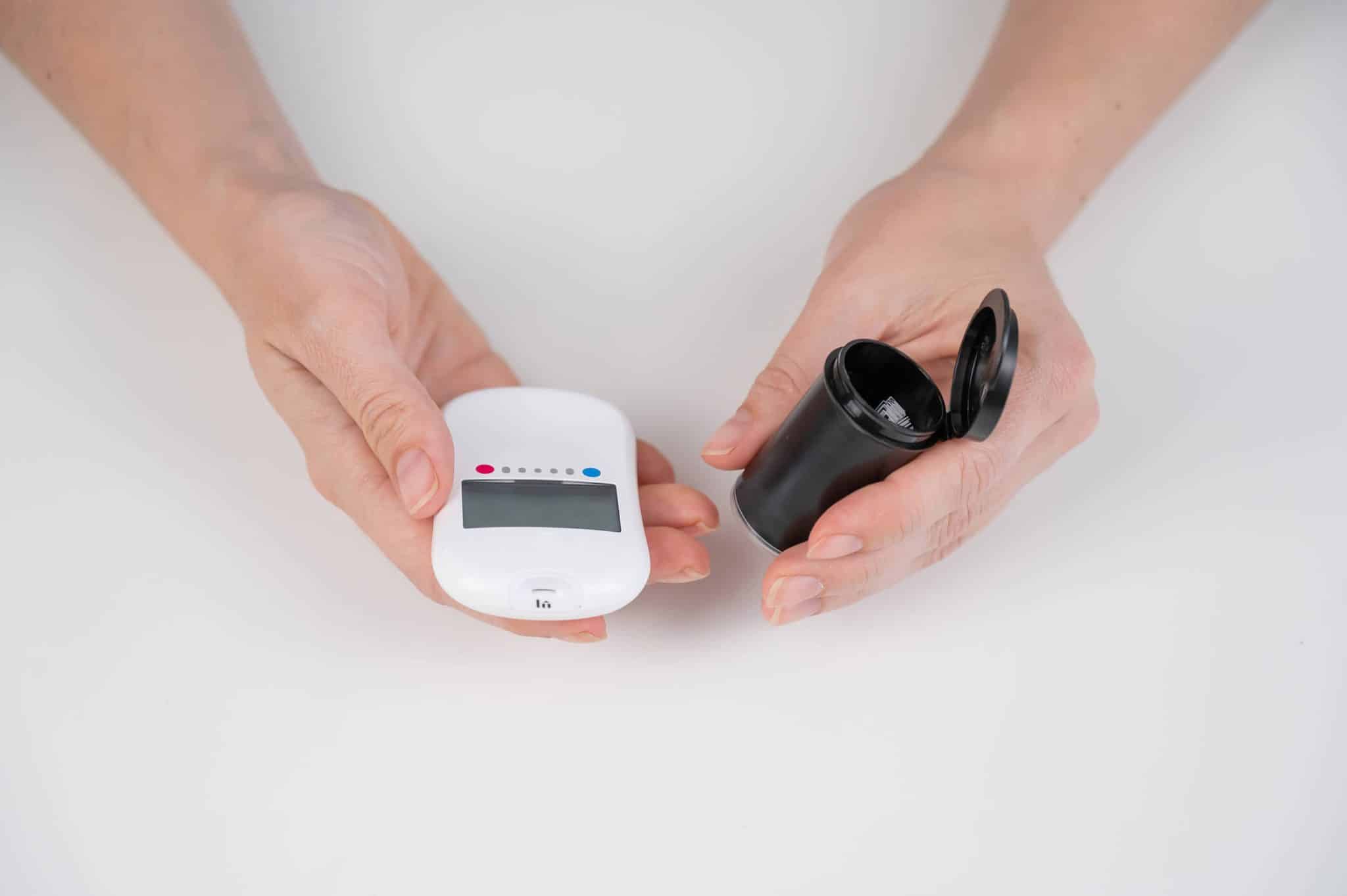
What to Do With Unused Dexcom & Omnipod Supplies
Posted on August 14, 2026 at 06AM
What to Do With Unused Dexcom & Omnipod Supplies
A prescription changes, a system gets swapped, or a loved one passes and leaves behind a drawer full of sealed boxes. However it happens, most people end up with unused Dexcom or Omnipod supplies at some point, and most of what’s written about this question only gives you half the answer. Buyback companies will tell you to sell everything. Advocacy sites will tell you to recycle and donate. The honest answer is that it depends entirely on what you actually have, and this guide walks through all three real paths so you can figure out which one fits.
The Short Answer
Unused Dexcom and Omnipod supplies generally have three legitimate destinations: sell them if they’re sealed, unexpired, and in good condition; donate them if they don’t meet resale requirements but are still unopened and usable; or recycle or properly dispose of them if they’re expired, opened, or damaged. Because Dexcom transmitters and Omnipod pods contain electronics and batteries, not just plastic and adhesive, the disposal path looks a little different than it does for something like test strips.
Option 1: Sell Sealed, Unexpired Supplies for Cash
If your supplies are still factory sealed and have meaningful time left before expiration, selling is usually the most straightforward option, and it’s the one most people searching this question are actually hoping applies to them. More Cash For Test Strips is one of the larger buyers of Dexcom G6 sensors in this market and a leading buyer of Omnipod Dash pods, purchasing supplies like Dexcom G6 sensors, Dexcom G6 receivers, and both 5-pack and 10-pack Omnipod and Omnipod Dash pods.
A few condition rules determine what you’ll actually be paid:
- Boxes with 10 months or more remaining before expiration and in mint condition qualify for full price.
- Boxes with 7 to 9 months remaining are purchased at half price.
- Boxes with damage, missing labeling, or expiration too close to qualify generally aren’t accepted for sale, which is where the other two options below come in.
If your supplies qualify, the process is simple: check the price list to see what your Dexcom and Omnipod supplies are worth, request a free shipping label or kit, and ship your sealed boxes in. Any prescription label on the box is removed and destroyed on our end, so you don’t need to worry about that step yourself. Payment typically goes out within one business day of the supplies arriving, by check, PayPal, Zelle, or direct transfer. If you’re preparing a shipment, our guide on how to package diabetic supplies for shipping covers how to pack CGM and pump supplies specifically so they arrive in sellable condition.
Option 2: Donate Supplies That Don’t Qualify for Sale
Not every box of unused supplies meets resale requirements, and that doesn’t mean they’re worthless. If your Dexcom or Omnipod supplies are unopened but closer to expiration, or you’d simply rather not sell them, donation is a genuine option worth considering. Organizations such as Insulin For Life USA accept unopened, unexpired diabetes supplies and distribute them to people who can’t otherwise afford consistent access to the care they need. As with resale, expired products generally aren’t accepted for donation either, so it’s worth checking expiration dates before reaching out.
Option 3: Recycle or Properly Dispose of What’s Left
This is the piece most guides on this specific topic skip, and it matters more for Dexcom and Omnipod supplies than it does for test strips. A Dexcom transmitter and an Omnipod pod both contain electronic components and a battery, which means they don’t belong in regular household trash the way an empty test strip box does. They fall into e-waste territory, and there are real, manufacturer-backed programs built specifically for this.
Insulet, the maker of Omnipod, expanded its pod recycling program nationwide, allowing users to request a free recycling kit that holds a large batch of used pods; returned pods are sanitized and routed to a partner that specializes in recycling electronics and medical devices. Dexcom has also been reducing packaging waste over recent hardware generations, with the newer G7 system using notably less plastic than its predecessor. For a transmitter, receiver, or any electronic component you can’t sell or donate, a local electronics recycling center is generally a better destination than the regular trash, and any related sharps, like lancets or needles, should go through a proper sharps disposal program rather than loose in household waste.
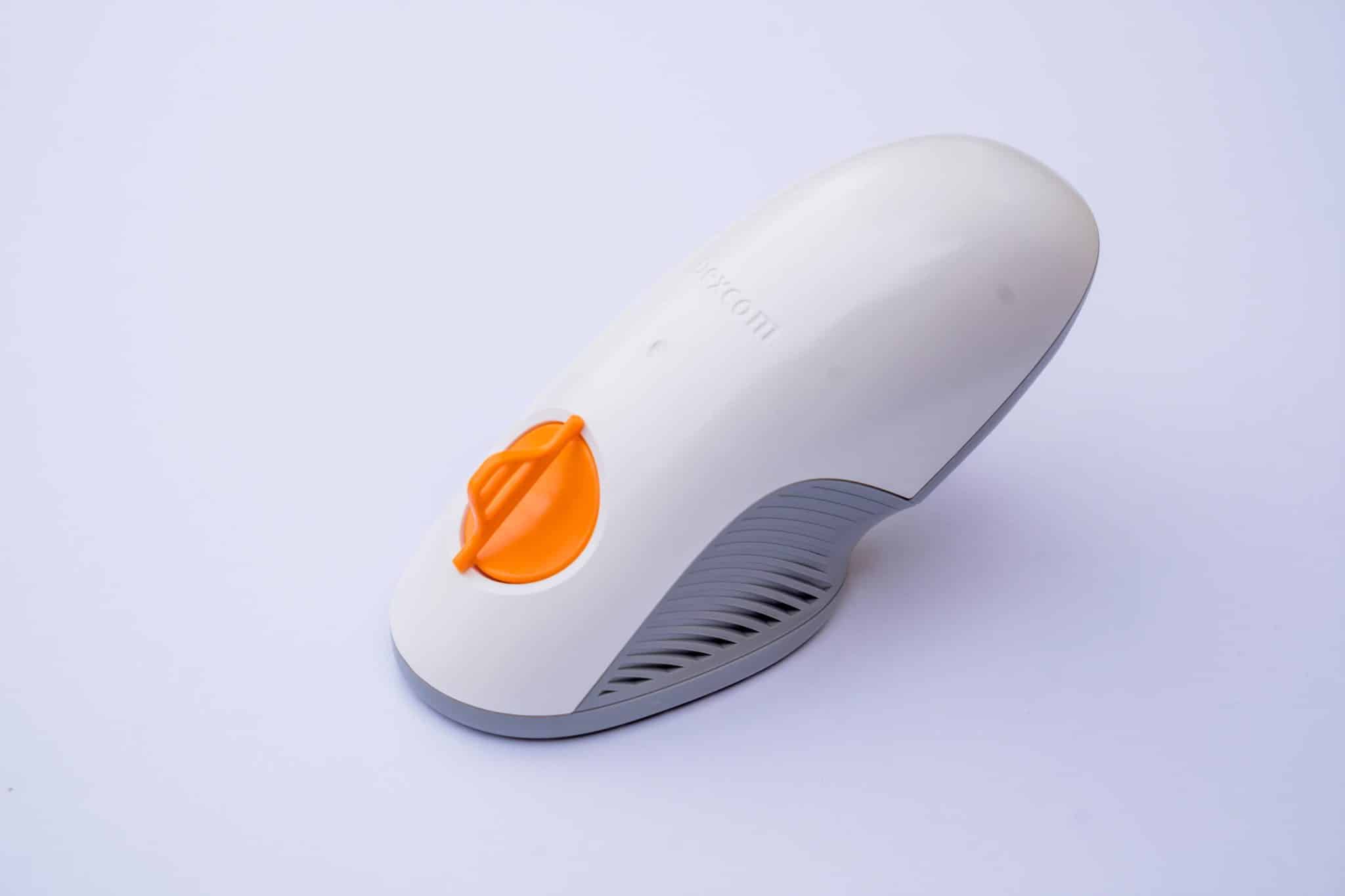
A Simple Way to Decide Which Path Fits
- Sealed, unexpired, 7+ months remaining, good condition: Sell it.
- Sealed, unexpired, but expiring soon or not something we currently purchase: Donate it to an organization like Insulin For Life.
- Opened, expired, or damaged: Recycle the electronic components (transmitters, pods) through a manufacturer program or e-waste center, and dispose of anything else according to your local guidelines.
If some of what you’re sorting through is expired rather than simply unused, our guide on what to do with expired diabetic test strips covers that specific situation in more detail.
Frequently Asked Questions
Can I sell expired Dexcom sensors or Omnipod pods?
No. Expired supplies generally can’t be sold or donated. Once a box is past its expiration date, recycling any electronic components and properly disposing of the rest is the appropriate path.
Do I have to remove my prescription information before selling my supplies?
You can cover it yourself with a permanent marker if you’d like, but it isn’t required. Prescription labels are removed and destroyed once your order is received.
Where can I donate unused Dexcom or Omnipod supplies?
Organizations like Insulin For Life USA accept unopened, unexpired diabetes supplies, including CGM and insulin pump products, and distribute them to people who need affordable access to diabetes management tools.
Can Dexcom transmitters or Omnipod pods go in regular recycling?
Not typically. Both contain electronic components and batteries, which generally need to go through an e-waste recycling program or a manufacturer-specific take-back program rather than curbside recycling or regular trash.
The Bottom Line
There isn’t one universal answer to what you should do with unused Dexcom and Omnipod supplies, because it genuinely depends on what condition they’re in. Sealed and unexpired supplies are worth real money. Supplies that don’t qualify for sale can still help someone through donation. And anything left over, especially the electronic components, deserves a proper recycling path rather than the trash.
If you have sealed, unexpired Dexcom or Omnipod supplies sitting around, More Cash For Test Strips can give you an instant price estimate and a free prepaid shipping label. Check our price list to see what your supplies are worth, or read our guide on how the process works from request to payment.