
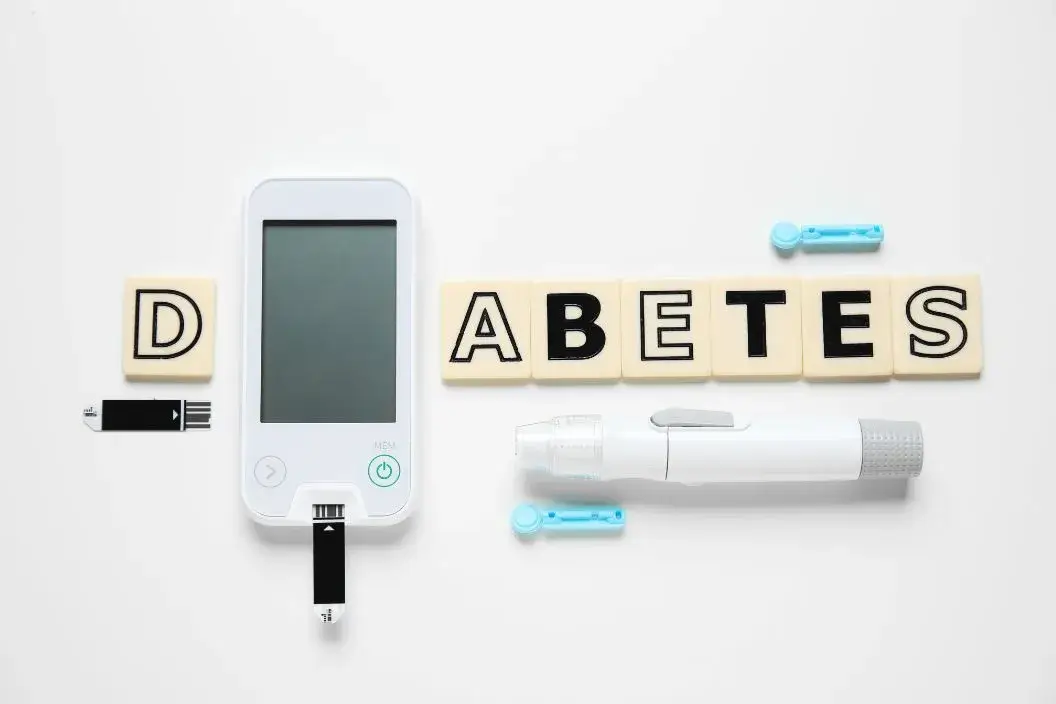
How to Avoid Scams When Selling Test Strips
Posted on February 16, 2026 at 06PM
How to Avoid Scams When Selling Test Strips
Selling diabetic test strips can be a great way for patients, individuals, or anyone with surplus supplies to earn cash while ensuring that unused products do not go to waste. However, like many online marketplaces, this process can carry risks of fraud and scams if proper precautions are not taken. Knowing how to protect yourself, verify buyers, and handle transactions securely is crucial for anyone considering selling test strips, CGMs, or other diabetes supplies. This guide will cover everything you need to know to sell your test strips safely while protecting your identity, money, and reputation.
Why Selling Test Strips Can Be Risky
Selling test strips seems straightforward, but several factors can make it risky. Fraud is a major concern, and counterfeit or illegitimate buyers often target sellers who are unfamiliar with safe practices. People may offer to overpay, ask for direct payments outside of secure platforms, or even request shipping before providing funds. These scams can lead to lost money, stolen identity, or damaged reputation.
Additionally, selling medical products such as OneTouch, Dexcom, or Omnipod test strips requires following specific Medicare, Medicaid, or insurance coverage guidelines. Violating these regulations, even unknowingly, could cause legal issues. It’s important to research your local laws and understand any restrictions before listing your strips for sale.
Common Scams to Watch Out For
Some scams are more common than others. Here are a few things to watch for:
- Fake buyers who claim to represent companies or programs but disappear after you ship items.
- Overpayment scams, where someone sends a payment for more than the agreed amount and asks you to refund the difference.
- Counterfeit payment methods, including fake PayPal notifications or unauthorized funds.
- Requests for personal information or identity verification beyond what is reasonable for a legitimate transaction.
Being aware of these tactics helps sellers protect themselves and avoid becoming a victim.
How to Verify a Buyer Before Selling
Verification is essential. Always research potential buyers, whether they are individuals or companies. Check their reviews, feedback, and reputation on the platform you are using. Ask questions about their intended use of the strips and confirm their contact information. If anything seems suspicious, proceed with caution or refuse the offer.
It’s also a good idea to confirm whether the buyer is familiar with the proper handling of diabetes supplies. Legitimate buyers will understand the importance of sealed boxes, correct labels, and adherence to medical guidelines.
Safe Platforms for Selling Test Strips
Using a trusted platform significantly reduces the risk of scams. Online marketplaces designed for medical supplies often offer safeguards, such as verified payment processing, buyer and seller ratings, and dispute-resolution options. Some of the safest platforms allow you to review feedback from other sellers and buyers, giving you a clear picture of who you are dealing with.
Avoid posting on unknown forums or social media groups where verification and security are minimal. Always prioritize reputable, well-established platforms in the medical supplies market.
Tips for Protecting Your Personal Information
Your safety depends on keeping your personal information secure. Do not share sensitive data such as Social Security numbers, insurance IDs, or banking credentials unnecessarily. Protect your identity by using platform-based messaging systems and payment options rather than personal email or phone numbers.
When shipping, avoid including unnecessary personal information on packaging. Keeping communication professional and within the platform adds an extra layer of security.
How to Ship Test Strips Securely
Shipping is a critical step where scams and damage can occur. Always:
- Use sturdy boxes and packaging to protect the test strips.
- Verify that labels are accurate and clearly indicate the contents.
- Choose trackable delivery methods to confirm receipt.
- Avoid shipping before receiving secure payment.
Proper packaging ensures the items reach the buyer in good condition, and tracking provides proof of delivery in case of any disputes.
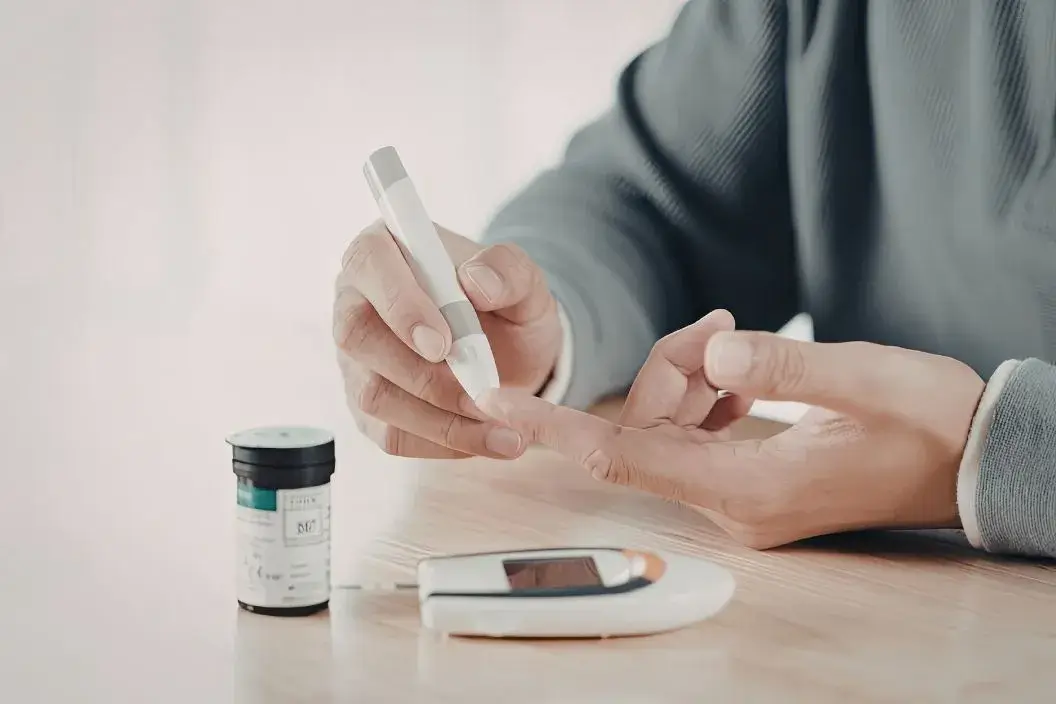
Signs of a Scam You Should Never Ignore
Some red flags include:
- Buyers who rush the transaction or pressure you to ship immediately.
- Requests to use unverified payment methods.
- Offers that seem too good to be true, like extremely high earnings or inflated prices.
- Lack of verifiable information about the buyer, company, or program.
Trust your instincts. If something feels off, take steps to verify or decline the sale.
Steps to Take if You Encounter a Scam
If you suspect fraud:
- Stop all communication with the buyer immediately.
- Report the activity to the platform, your payment provider, and, if necessary, law enforcement.
- Keep records of all transactions, messages, and shipment details.
- Warn other sellers in the community to protect them from similar scams.
Taking these steps helps protect your money, reputation, and personal information.
Additional Guidelines for Selling Test Strips
When selling test strips, it’s important to follow a few key guidelines:
- Condition: Only sell unused, unexpired test strips. Damaged or opened boxes can be rejected by buyers.
- Brands: Common brands like OneTouch, Dexcom, Freestyle, and Omnipod are easier to sell if verified and properly packaged.
- Prices and quotes: Research market prices for your strips and make offers that are fair yet competitive.
- Payment: Use secure methods like PayPal or verified platform payments to avoid chargebacks or counterfeit money.
- Documentation: Keep records of your sale agreements, communications, and delivery confirmations.
Following these steps ensures a smooth transaction while protecting your identity, money, and safety.
Conclusion
Selling test strips can be a safe way to earn cash if you follow the right precautions. Always use a trusted marketplace, keep all communications and the agreement clear, and understand any costs involved in shipping or selling. Keep in mind the importance of verifying buyers and protecting your personal information. By staying cautious and informed, you can make the process smooth, secure, and profitable.
Ready to Sell Your Test Strips? Get Cash Today!
If you have unused diabetic test strips, More Cash For Test Strips makes it easy to turn them into cash quickly and safely. Our team buys unused strips from patients and individuals, offering fair prices and a secure, verified process. Don’t let extra supplies go to waste—contact More Cash For Test Strips today to get a quote and start earning from your surplus test strips!
Frequently Asked Questions
What should I include when shipping test strips?
Include only the test strips and any manufacturer documentation. Make sure the content of the box matches the description in your listing to avoid disputes or returns.
Are there risks if I sell to someone I don’t know?
Yes, selling to a buyer you haven’t verified can be risky. Always confirm the identity of the person and complete the transaction on a reputable platform to reduce the chance of scams.
Can I sell test strips I purchased a long time ago?
Yes, as long as the strips are unused and within the expiration date. Make sure the purchase date is clear to the buyer, and check that the box and labels are intact to maintain trust.
Which platforms are safest for selling test strips?
The safest platforms are those with verified buyers, secure payment systems, and clear policies for handling disputes. Stick to well-known marketplaces that specialize in medical supplies.
Can I use tracking to protect my shipment?
Yes, always use a trackable shipping method when sending test strips. Tracking provides proof of delivery and helps protect both you and the buyer in case of any issues.