
What Diabetic Supplies Can You Sell for Cash?
Posted on June 26, 2026 at 09AM
What Diabetic Supplies Can You Sell for Cash?
If you have unused diabetic supplies sitting in a drawer or a cabinet, the first question is usually the same one: Do I actually have something someone will buy? The answer depends on the type of supply, the brand, and the condition of the packaging, and it varies more than most people expect.
This guide breaks down the sellable categories by type, covers the condition requirements that determine whether a supply qualifies, and explains the legal points that every seller should understand before shipping anything.
The Short Answer, and Why the Details Matter
The supplies with consistent resale demand fall into four categories: glucose test strips, continuous glucose monitor (CGM) sensors and transmitters, insulin pump consumables, and certain types of insulin. Within each category, buyers are selective about brand, model, condition, and expiration date. Knowing which brands are in demand and what condition requirements actually mean in practice is what separates a successful sale from a box that gets returned.
Glucose Test Strips
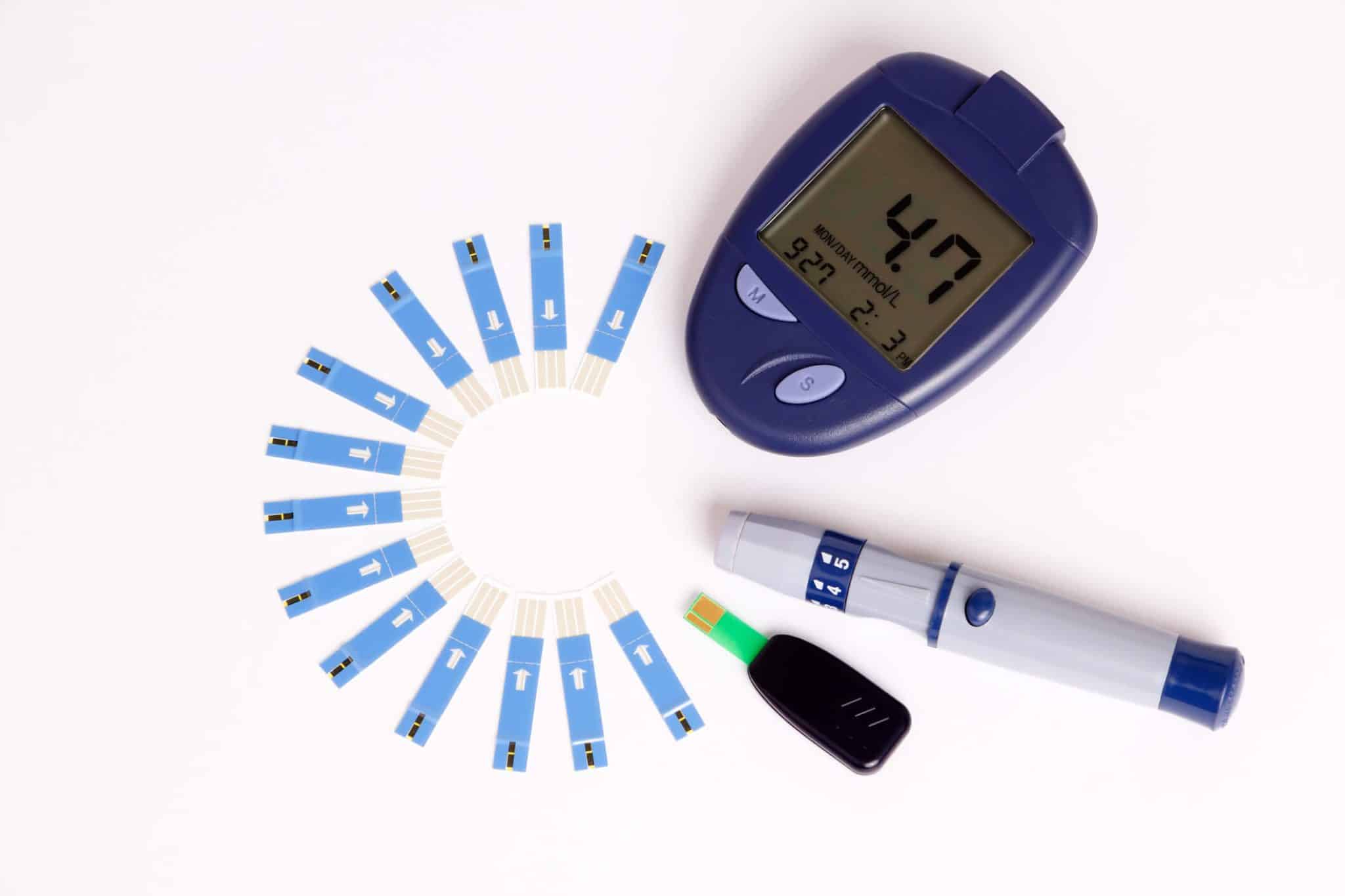
Test strips are the most commonly resold diabetic supply and the highest-volume category for most buyers. If you have boxes of unused test strips because you switched to a CGM, over-ordered through insurance, or are settling a loved one’s estate, there is likely a buyer for them.
Brands that buyers typically accept include the major retail names: OneTouch (Ultra Blue, Verio), Accu-Chek (Aviva Plus, Smartview), Bayer Contour (standard and Next), and FreeStyle Lite. The price list at More Cash For Test Strips shows current buyback prices for specific models and quantities, which is the most direct way to check whether your strips are on the accepted list.
The condition requirements for test strips are specific:
- Box must be factory sealed. An opened box, even if most of the strips are unused, is not sellable. Once the seal is broken, a buyer has no way to verify that the strips haven’t been handled, exposed to humidity, or otherwise compromised.
- At least three months of shelf life remaining. Strips with an expiration date within the next three months are typically declined. Buyers need enough lead time to process and resell the product before it expires.
- No damage to the box or labeling. A crushed corner or a torn label is cosmetically fine for your own use, but it affects resalability. Buyers look for boxes that a person would reasonably buy if they saw them on a shelf.
If you have multiple boxes, separating the sealed ones from any you’ve opened before you contact a buyer saves time on both sides.
CGM Sensors and Transmitters
Continuous glucose monitor supplies are a growing category with strong demand. If you switched CGM systems, your supplies expired before you could use them, or you received more than you needed, these items are often sellable.
Dexcom G6 sensors, transmitters, and receivers are among the most requested CGM supplies. Sensors come in boxes of three; transmitters are individual units. Both must be sealed in original packaging with a meaningful shelf life remaining.
The same condition logic applies here as with test strips, but there is one additional consideration with CGM transmitters: transmitters have a finite internal battery life and a session counter. A transmitter that has been activated, even briefly, cannot be reset and will have reduced useful life. Buyers may decline activated transmitters or pay significantly less for them. If you have an unactivated transmitter still in its sealed box, that is the highest-value scenario.
Insulin Pump Consumables
Insulin pump supplies, meaning the disposable components you replace on a regular schedule, have a real secondary market. The two most common categories are pod-based systems and tubed systems with infusion sets and reservoirs.
Omnipod pods (original Omnipod, Omnipod Dash, and Omnipod 5) are the most widely requested pump consumables. They come in five-packs and ten-packs. As with test strips and sensors, factory-sealed boxes in good condition with adequate shelf life are the standard requirement.
Medtronic infusion sets and reservoirs (QuickSet, Mio) are also accepted by many buyers. If you have supplies from a tubed pump system you’ve discontinued, check them against a buyer’s accepted list before assuming they have no value.
Insulin
Certain types of insulin are accepted by buyers, though this category has more variation than others. Not all buyers accept insulin, and those that do typically limit their accepted list to specific brands and formulations.
At More Cash For Test Strips, we buy certain Humulin formulations (N, R, and 70/30 in 10 mL vials). Insulin must be sealed, unexpired, and kept at appropriate storage conditions. Insulin that has been temperature-compromised (for example, left in a hot car or stored improperly) cannot be verified as safe to use and will not be accepted.
If you have insulin from a formulation not on the accepted list, check the current price list or contact the buyer directly before shipping anything.
Lancets
Lancets have more limited demand than test strips or CGM supplies. Most buyers are selective here; not all lancet brands are accepted. More Cash For Test Strips buys FreeStyle, Accu-Chek Softclix, and Accu-Chek Fastclix lancets in sealed boxes. Standard lancets from other brands are typically not accepted. Check the price list to confirm before assuming yours qualify.
What Buyers Do Not Accept
Understanding what does not qualify saves time and avoids disappointment. Common reasons supplies are declined:
- Expired or near-expiration. Less than three months of shelf life is typically the cutoff.
- Opened packaging. Any supply where the original seal has been broken is not resellable, regardless of how many units remain.
- Damaged or missing labeling. A box where the lot number or expiration date is illegible is usually declined for traceability reasons.
- Supplies labeled “Not for Resale” (NFR). Some supplies distributed through non-retail channels are marked NFR. These can sometimes be sold depending on the buyer’s policies; check before assuming they are unsellable.
- Supplies purchased using Medicare or Medicaid. Reselling supplies that were paid for by a federal healthcare program is illegal under federal law. This restriction applies to the original purchaser. If your supplies were obtained through Medicare or Medicaid, they cannot be legally sold to a buyer.
The Legal Point Every Seller Needs to Understand
Selling unused diabetic supplies is legal in the United States for supplies purchased out of pocket or through private insurance. The restriction applies specifically to supplies paid for by Medicare or Medicaid. Under federal anti-kickback statutes and related regulations, reselling supplies obtained through federal programs constitutes improper disposal of government-funded healthcare items.
If you are unsure how your supplies were paid for, check your insurance documentation or the pharmacy receipt. Supplies purchased by you directly or covered by private insurance are eligible for resale. Those paid by Medicare or Medicaid are not. Reputable buyers ask about this before completing a transaction; it is a standard part of a legitimate buyback process.
What to Do with Supplies That Don’t Qualify
If your supplies don’t meet the condition requirements for resale, there are responsible alternatives. The FDA recommends following local guidelines for medical supply disposal. Some community programs and patient assistance organizations accept donations of certain diabetic supplies for distribution to people who cannot afford them, though donation programs typically have their own eligibility requirements. Local pharmacies and health departments can advise on proper disposal for items that are neither sellable nor donatable.
How to Check What Your Supplies Are Worth
The fastest way to determine whether your specific supplies are accepted and what they pay is to check the More Cash For Test Strips price list directly. The price list shows current buyback amounts by brand, model, and quantity. If your supplies are listed, the process from there is straightforward; our how it works page walks through the steps from quote to payment.
Frequently Asked Questions
Can you legally sell diabetic supplies?
Yes, with one important condition. Selling unused diabetic supplies is legal in the United States when those supplies were purchased out of pocket or through private insurance. Supplies that were paid for by Medicare or Medicaid cannot legally be resold. If you are unsure how your supplies were obtained, check your insurance documentation before selling.
What test strip brands can I sell for cash?
The most commonly accepted brands are OneTouch (Ultra Blue, Verio), Accu-Chek (Aviva Plus, Smartview), Bayer Contour (standard and Next), and FreeStyle Lite. Acceptance varies by buyer; the most reliable way to confirm is to check a current price list. Strips must be in factory-sealed boxes with at least three months of shelf life remaining.
Can I sell CGM supplies like Dexcom sensors?
Yes. Dexcom G6 sensors, transmitters, and receivers are among the most requested CGM supplies. They must be sealed in original packaging with adequate shelf life remaining. Transmitters that have already been activated may be declined or valued lower because they cannot be reset and will have reduced useful life.
Can I sell Omnipod pods for cash?
Yes. Omnipod pods (original, Dash, and Omnipod 5 systems) are accepted by most diabetic supply buyers, including More Cash For Test Strips. They must be in sealed, undamaged boxes with sufficient shelf life. Check the price list to confirm the current accepted models and buyback amounts.
What condition do supplies need to be in to sell?
Factory-sealed, undamaged packaging and at least 3 months of shelf life remaining are the standard requirements across categories. Opened boxes are not accepted regardless of how many units remain. Boxes with illegible lot numbers or expiration dates are typically declined for traceability reasons.
What should I do with diabetic supplies I can’t sell?
Supplies that don’t meet resale conditions, such as expired items or opened boxes, should be disposed of responsibly. Some community programs accept donations of certain unused supplies. Local pharmacies and health departments can provide guidance on proper disposal for items that are neither sellable nor donatable. The FDA provides general guidance on medical device disposal on its website.