
What to Do With Extra Accu-Chek Test Strips After Switching Meters
Posted on September 07, 2026 at 05AM
What to Do With Extra Accu-Chek Test Strips After Switching Meters
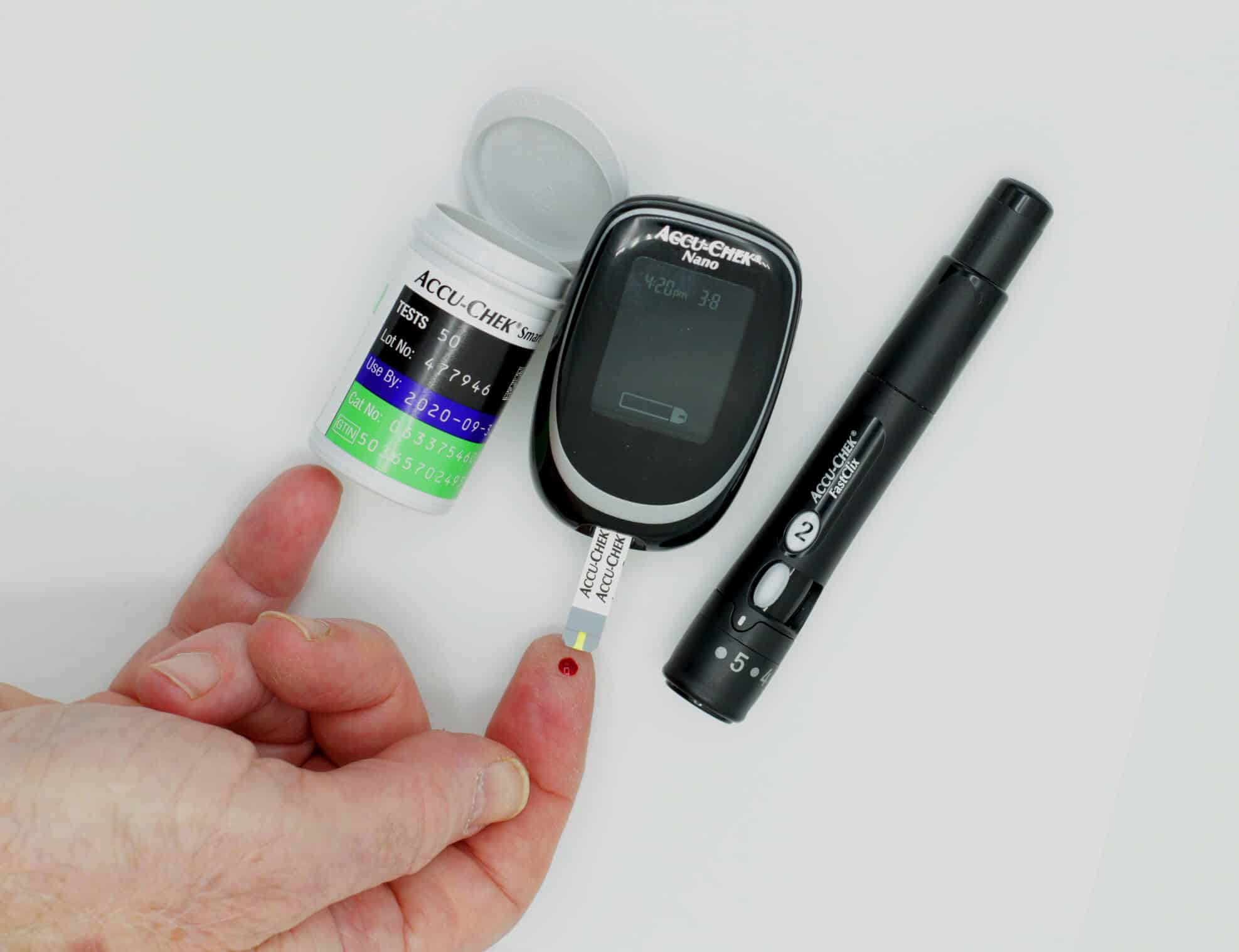
Switching glucose meters is one of the most common reasons people end up with a significant stockpile of test strips they can no longer use. The new meter takes different strips. The old strips still have months of shelf life left. And they are sitting in a drawer, or a cabinet, or a bag, doing nothing while that expiration date quietly approaches.
If the strips in question are Accu-Chek, there are a few things worth knowing before you decide what to do with them. The right decision depends on your Accu-Chek model, how much shelf life remains, whether the boxes are sealed, and what your options are beyond simply waiting for them to expire. This post covers all of that directly.
The Window You May Not Realize You Have
Test strips do not lose value the day you stop using them. They lose value on their expiration date. In between, they are still worth something, and in some cases worth quite a bit depending on the brand, model, and how much shelf life remains.
The reason this matters is timing. Most people who switch meters do not immediately think about what to do with the leftover strips. They put them in a drawer, life moves on, and then six months later they rediscover the stash with two months left on the expiration date. By then, the options have narrowed considerably.
Acting within a reasonable window after switching gives you the most options and the best return. The specific window depends on the buyer’s requirements: at More Cash For Test Strips, boxes with 10 or more months before expiration qualify for full price; boxes with 7 to 9 months remaining pay 50 percent of the listed price; boxes with 6 months or fewer are not accepted. That three-tier structure means that strips you could sell for full price today may be worth half as much in three months and nothing in six. The window is real.
Which Accu-Chek Models We Buy
Not every Accu-Chek model is in current demand. The price list shows current prices for accepted models. The Accu-Chek models currently purchased include:
- Accu-Chek Aviva Plus in 50-count retail and NFR (Not for Resale) boxes
- Accu-Chek Smartview in 50-count and 100-count retail boxes and 50-count NFR boxes
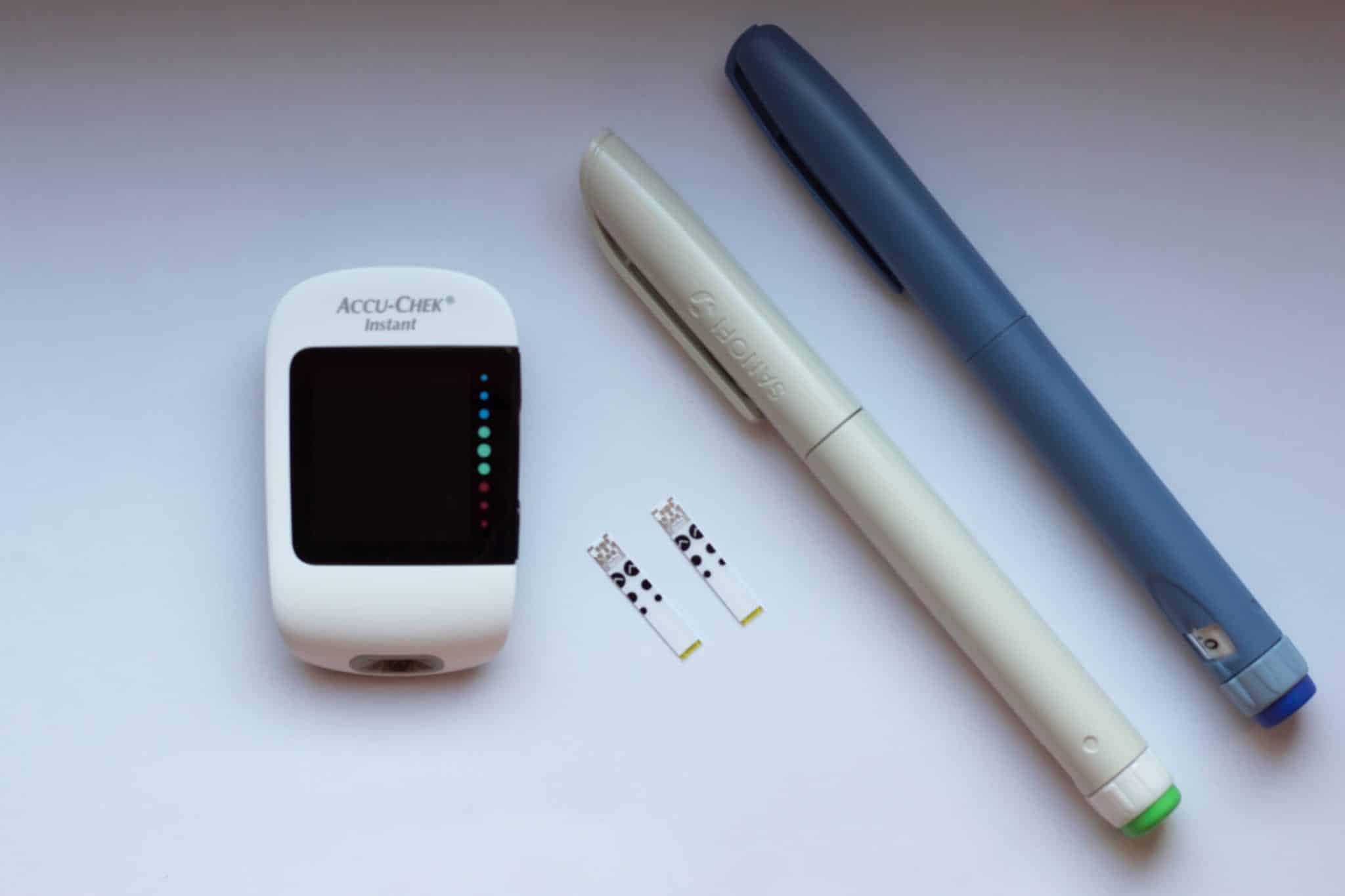
If you have a different Accu-Chek model, such as the Guide, the Instant, or an older discontinued model, it may not be on the accepted list. Call 310-892-2808 Monday through Friday, 10:30 am to 5:30 pm Pacific, to ask before assuming the strips cannot be sold. The list reflects current demand and can change.
The Three Things That Determine Whether Your Strips Qualify
Beyond the model, three factors determine whether your specific boxes are eligible for sale:
Factory seal intact. The original manufacturer’s seal must be unbroken. You cannot sell an opened box, even if only a few strips were used. If the seal is intact and the box otherwise qualifies, a pharmacy label with your name on it is not a disqualifier; you can leave it as-is or cover it with a marker before shipping.
Expiration date legible. The expiration date must be readable on the box. A box where the date has been torn away, smudged beyond reading, or is otherwise unverifiable cannot be processed regardless of how much shelf life it might have.
Not purchased with Medicare or Medicaid. Supplies paid for by federal healthcare programs cannot legally be resold. Supplies purchased out of pocket or through private insurance are eligible. If you received your Accu-Chek strips through a Medicare-covered diabetes supply program, they are not eligible for sale regardless of their condition.
For a full breakdown of all qualification criteria, see our guide on how to check if your diabetic test strips qualify for sale.
What Happens to Accu-Chek Strips That Do Not Qualify for Sale
If your strips are opened, past the accepted expiration window, or a model not on the accepted list, selling them is not an option. A few other paths worth knowing about:
Donation to a diabetes patient assistance program. Some community health organizations, free clinics, and patient assistance programs accept unopened, unexpired diabetic supplies for distribution to patients who cannot afford them. These programs vary significantly by location and by what they accept; a local call is the fastest way to find out what is available in your area.
Return to the manufacturer. Roche, the manufacturer of Accu-Chek products, does not have a standard consumer take-back program for unused strips, but their customer service line at accu-chek.com can advise on any current return or disposal options.
Disposal. The EPA provides guidance on disposing of unwanted household medical products, including test strips. You can generally dispose of expired or unusable strips in household trash, following basic guidelines; they do not require special medical waste disposal.
How the Sale Process Works if Your Strips Qualify
If your Accu-Chek strips are sealed, have sufficient shelf life, and are an accepted model, the process is straightforward:
- Check the price list to confirm your model is listed and to see the current payout for your box count and expiration window.
- Confirm the total value of your submission meets the $75 minimum order requirement. If you have other qualifying supplies, such as OneTouch, FreeStyle, Dexcom G6 sensors, or Omnipod pods, combining them in one submission can help reach the minimum if the Accu-Chek strips alone fall short.
- Request a prepaid shipping label through the submission form on the site. There is no shipping cost to you.
- Pack the boxes carefully in a corrugated cardboard box with adequate padding, seal it, attach the label, and drop it at the post office. Keep your receipt and note the tracking number.
- Once the package is received and verified, payment goes out immediately by check, PayPal, Zelle, Cash App, Wells Fargo Direct Pay, or wire transfer.
The full process typically takes four to six business days from drop-off to payment, depending on transit time. Questions before you submit? Call 310-892-2808 or visit the how it works page for a complete walkthrough.
Frequently Asked Questions
Can I sell Accu-Chek Guide or Accu-Chek Instant strips?
These models are not currently on the accepted list, but the list reflects current market demand and can change. Call 310-892-2808 during business hours before assuming they cannot be sold. If they are not accepted, you can donate them to a local patient assistance program, follow manufacturer guidance on disposal, or dispose of them in standard household trash according to FDA guidelines for home health care products.
I switched to a CGM. Can I sell my remaining Accu-Chek strips?
Yes, if the boxes are sealed, the model is on the accepted list, and there is sufficient shelf life remaining. Switching to a CGM is one of the most common reasons people accumulate a surplus of test strips they can no longer use, and it is one of the clearest cases where selling makes sense: the strips have monetary value, they will expire unused, and the sale converts a depreciating asset into cash before it expires.
Do I need to remove the pharmacy label with my name on it before selling?
No. You can leave the label as-is or cover your personal information with a marker before shipping. Either is acceptable. More Cash For Test Strips removes and discards pharmacy labels upon receipt to protect your information.
What is the minimum I need to sell?
The minimum submission value is $75 at current prices. If your Accu-Chek strips alone fall below the minimum, check whether you have other qualifying supplies, including OneTouch, FreeStyle, Bayer Contour, Dexcom G6 sensors, Omnipod pods, or Medtronic infusion sets, that you can combine in the same shipment to reach the threshold.
How quickly do I need to act after switching meters?
The answer depends on your current expiration dates. Boxes with 10 or more months remaining qualify for full price. Boxes with 7 to 9 months remaining pay 50 percent. We do not accept boxes with 6 months or fewer. Check the expiration dates on your boxes now and calculate how long you have before they move into a lower payout tier or become ineligible. The sooner you act, the more options you have.