
How to Get the Best Price When Selling Accu-Chek Test Strips for Cash
Posted on August 06, 2026 at 03AM
How to Get the Best Price When Selling Accu-Chek Test Strips for Cash
Most guides on this topic tell you to shop around, compare a few buyback companies, and pick whoever quotes the highest number. That advice isn’t wrong, but it skips the part that actually moves the needle most: for Accu-Chek test strips specifically, the biggest swings in price usually come from four things sitting right there on your own shelf, not from which buyer you eventually choose. Get those four things right first, and almost any reputable buyer’s quote will look better. Get them wrong, and no amount of shopping around will fix it.
Before You Compare Buyers, Check What’s Printed on the Box
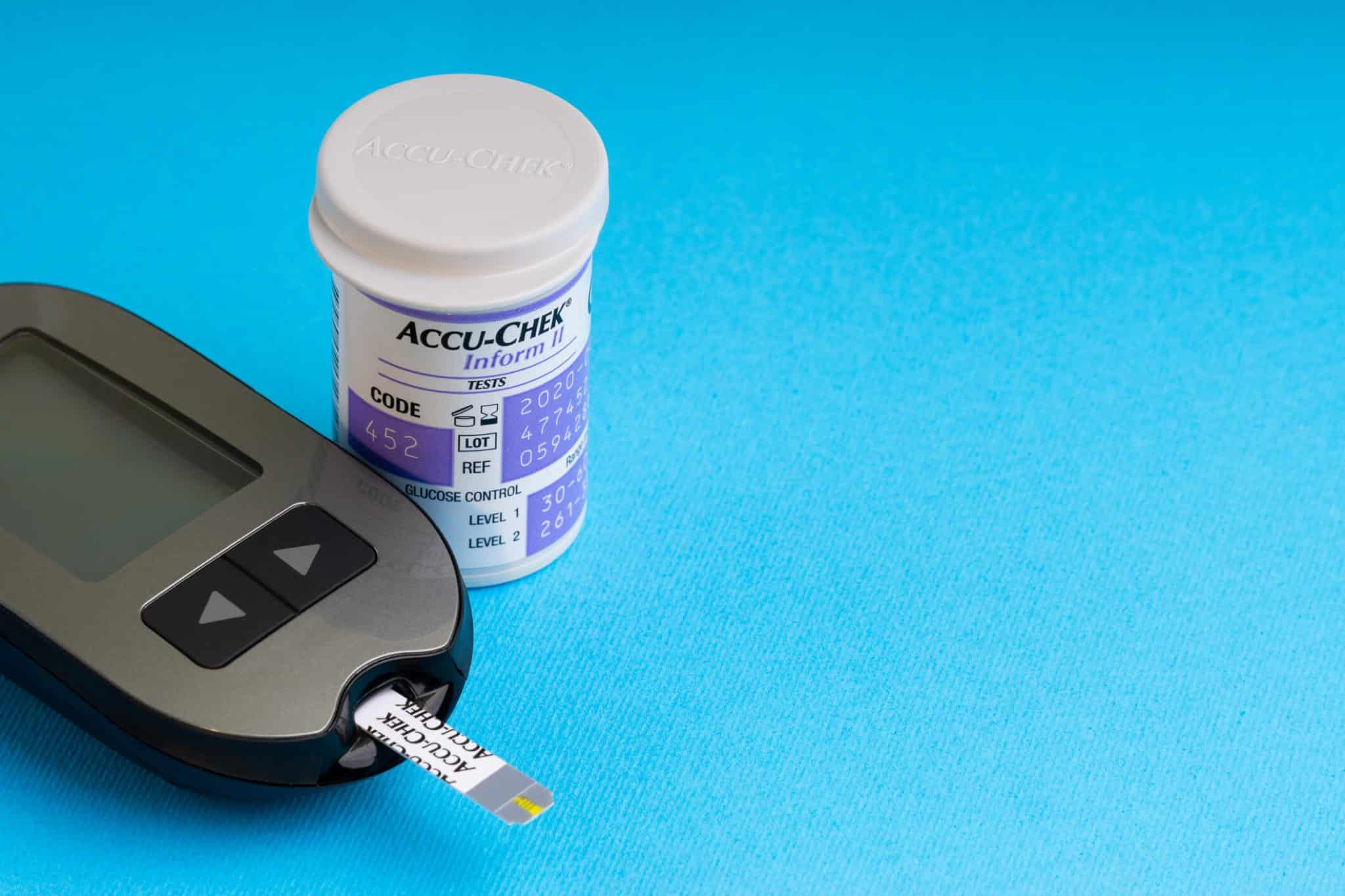
Accu-Chek test strips come in more than one type of packaging, and the difference isn’t cosmetic. A standard retail box, the kind sold over the counter at a pharmacy, is priced differently from an NFR box, short for “Not For Resale,” which is typically distributed through manufacturer samples, mail-order channels, or promotional programs and is marked accordingly. Aviva Plus and Smartview strips, for example, are commonly available as both a standard retail box and a separate NFR version, and buyback companies generally price the two differently because they move through different parts of the resale market. If you’re comparing a quote against something you saw advertised elsewhere, make sure you’re comparing the same box type. Two boxes that look nearly identical on the shelf can carry noticeably different values simply because of what’s printed in the corner.
The Expiration Window Is the Biggest Price Lever You Control
Expiration date does more to determine your payout than almost anything else, and it’s entirely within your control if you act early. As a general industry standard, boxes with roughly ten months or more remaining before expiration bring full price, boxes in the seven-to-nine-month range are typically valued at a reduced rate, often around half of full price, and boxes with less than about six months left are commonly declined outright, along with any box that’s already been opened. That means the strips sitting unopened in a cabinet today are worth measurably more than the same strips six months from now. If you know you’re not going to use a box, whether because of a prescription change, a new meter, or an insurance switch, selling sooner rather than later is the single easiest way to protect the value of what you have. We’ve covered this timing question in more depth in the best time to sell your unused diabetic test strips online.
Sealed, Undamaged Boxes Aren’t a Formality, They’re a Price Multiplier
Factory-sealed condition matters for a reason that goes beyond a buyer’s internal policy. The FDA has specifically warned that test strips removed from their original packaging or stored outside the manufacturer’s recommended conditions can produce inaccurate readings, which is exactly why reputable buyback companies won’t touch opened boxes at any price and why a crushed or water-damaged box gets rejected or discounted even if it’s technically unopened. Beyond the safety issue, damaged packaging can’t be verified the same way a pristine, sealed box can, and that uncertainty gets priced in. We’ve written separately about why sealed boxes matter when selling diabetic test strips, but the short version for pricing purposes is simple: keep the seal intact and the box in its original shape until it ships.
Bulk Shipments Often Earn Better Per-Box Pricing
If you have Accu-Chek boxes accumulating alongside other brands, or several boxes of the same product, shipping them together tends to work in your favor. Processing and shipping a single package costs a buyer roughly the same whether it contains one box or ten, so consolidating a shipment often means a better realized price per box than sending items in one at a time. This is also why most reputable buyers set a minimum order size before they’ll issue a shipping kit; below that threshold, the shipping and handling cost doesn’t make sense for either side. If you’re not quite at that minimum yet, it’s usually worth waiting a few weeks until you are, rather than shipping small and repeatedly.
Compare the Full Payout, Not Just the Quoted Number
A high quoted price isn’t the same as a high actual payout. Before committing to a buyer, it’s worth confirming a few details that affect what actually lands in your account:
- Who pays for shipping. If you’re covering postage out of pocket, that cost comes directly out of your payout, even if the quoted price looked competitive.
- How you get paid. Check, PayPal, Cash App, Zelle, and wire transfer all have different processing times and, in some cases, different fees depending on your own account settings.
- How the company is reviewed. A Better Business Bureau rating, Trustpilot reviews, and Google reviews are a quick way to confirm a buyer actually pays what it quotes, consistently, rather than discounting orders after the fact.
A buyer who quotes slightly less but covers shipping, pays quickly, and has a verifiable track record of paying exactly what it quoted often nets you more than a marginally higher number from an unproven company.
Two Quiet Price-Killers Worth Watching For
Two details trip up sellers more often than they should. First, personal information: if your name or a prescription label appears on a box, it’s worth knowing how the buyer handles that before you ship, both for privacy and because some buyers flag labeled boxes during verification. Second, timing between shipment and payment: ask upfront how long verification and payout typically take once a package arrives, since a “great price” that takes weeks to actually pay out is worth less than a slightly lower price paid promptly.
A Quick Pre-Ship Checklist
- Confirm whether your box is a standard retail box or an NFR box, and compare quotes against the matching category.
- Check the expiration date now, not after you’ve decided to sell, since the ten-month and seven-month thresholds matter.
- Make sure the factory seal is intact and the box isn’t crushed or water-damaged.
- Group your Accu-Chek boxes with any other unused diabetic supplies to reach a reasonable shipment size.
- Confirm who pays for shipping and how you’ll be paid before you send anything.
How More Cash For Test Strips Prices Accu-Chek Test Strips
Pricing Accu-Chek test strips fairly starts with the same factors covered above: box type, expiration date, and condition, checked against current market demand. If you’d like to see where your specific boxes land, our Accu-Chek test strip price list shows current pricing by product, and our guide on how to safely sell Accu-Chek test strips for cash covers the legal and safety side of the process in more detail if you want the fuller picture before you ship.
More Cash For Test Strips has built its reputation in Carson, California on paying what we quote, covering shipping both ways, and answering the phone when sellers call with questions. If you’d like a quote on your Accu-Chek test strips or any other unused diabetic supplies, call us at (310) 892-2808 or request a free shipping kit through our price list.
Frequently Asked Questions
Does an NFR box sell for less than a retail box?
Often, yes, though it depends on the specific product and current market demand. NFR and retail boxes are typically priced as separate categories, so it’s worth checking which one you have before comparing quotes.
How much do expired or nearly-expired Accu-Chek test strips sell for?
Boxes within about six months of expiration are generally not accepted by reputable buyers, and boxes in the seven-to-nine-month range are typically valued well below full price. Selling earlier, while a box still has ten or more months remaining, generally results in the strongest offer.
Do opened boxes of Accu-Chek test strips have any resale value?
No. Reputable buyers only purchase factory-sealed, unopened boxes, largely because the FDA has warned that strips removed from original packaging can produce unreliable results.
Is it better to sell multiple boxes at once?
Generally, yes. Shipping several boxes together is more efficient for the buyer to process, which is often reflected in better per-box pricing, and it’s also why many buyers set a minimum order size.
What payment methods typically get you paid fastest?
Digital options like PayPal, Cash App, and Zelle are usually the quickest, while checks and wire transfers can take a bit longer depending on the buyer’s process and your bank.
