
How to Prepare for Switching to a New Glucose Meter
Posted on November 07, 2026 at 05AM
How to Prepare for Switching to a New Glucose Meter
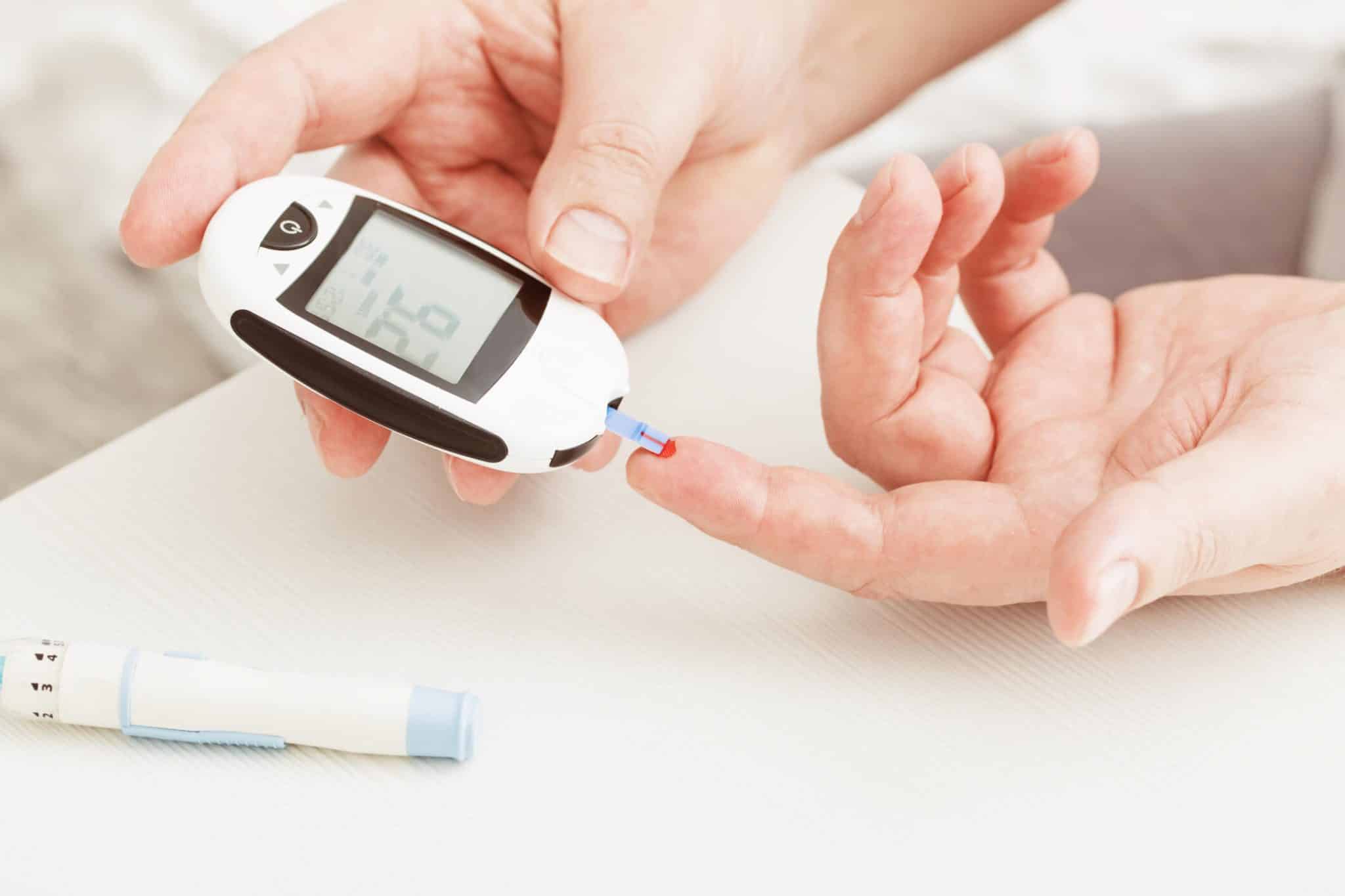
Switching to a new glucose meter can be a positive step toward making blood sugar monitoring easier and more convenient. Whether you’re replacing an outdated device, changing brands, or upgrading to a meter with additional features, preparing ahead of time can help you avoid interruptions in your daily testing routine.
However, changing glucose meters involves more than purchasing a new device. You’ll need to check test strip compatibility, become familiar with the new meter’s features, organize your supplies, and make sure you’re comfortable using the new system.
If you’re planning to switch, here are some practical steps to help make the transition smoother.
1. Understand Why You’re Switching Glucose Meters
Before choosing a replacement, consider what you want to improve about your current glucose meter. Identifying your needs can help you choose a device that fits your daily routine.
Some common reasons people switch glucose meters include:
- Outdated equipment: Older meters may lack features available in newer models.
- Insurance changes: Your insurance provider may cover a different meter or brand of test strips.
- Testing convenience: A new meter may require a smaller blood sample or provide faster results.
- Accessibility: Larger screens, illuminated displays, or audio features may make testing easier.
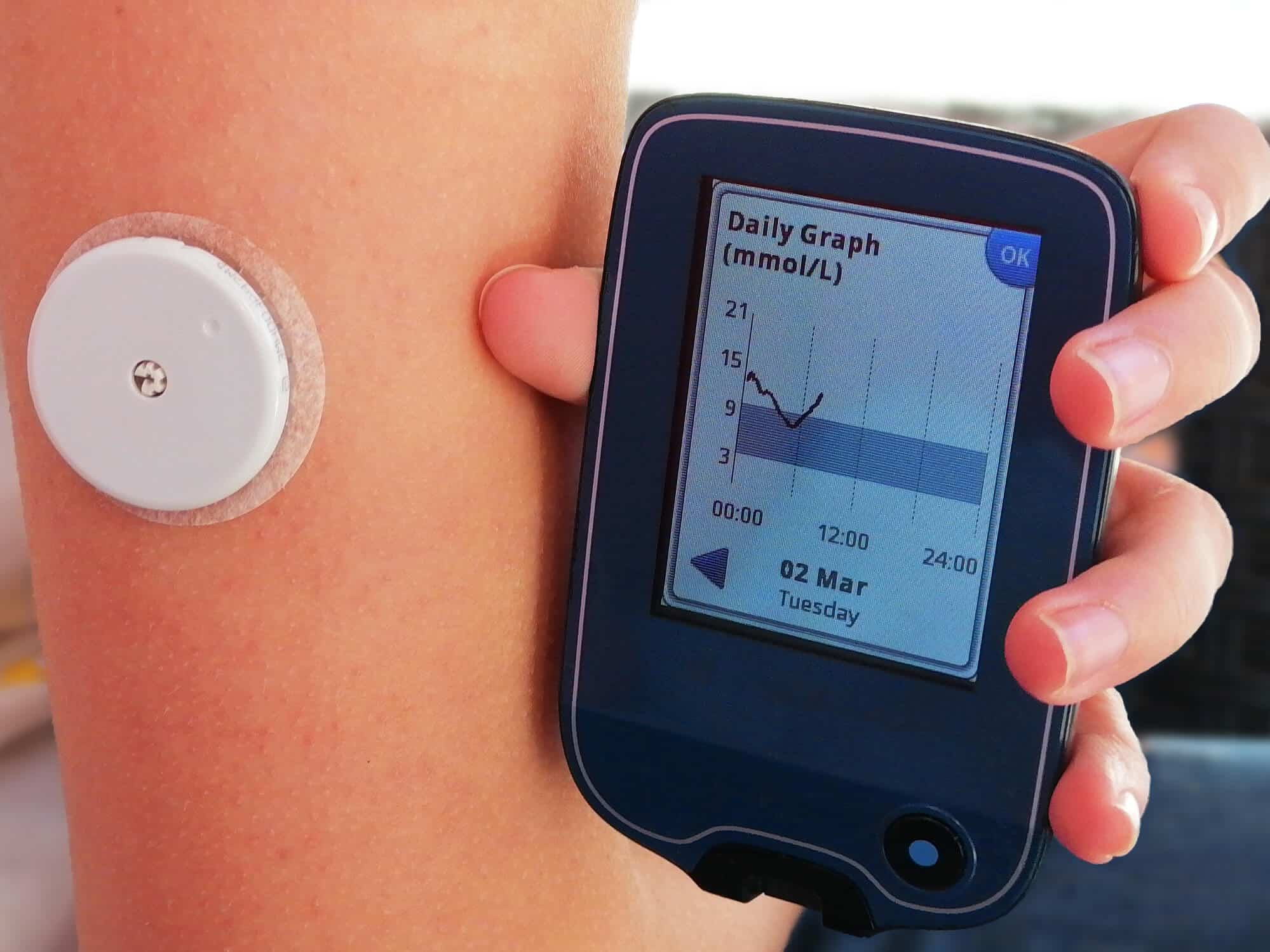
- Connectivity: Some meters can transfer readings to a smartphone application for easier tracking.
- Supply availability: Test strips for certain older models may become difficult to find.
Consider discussing your options with your healthcare provider, especially if you rely on blood glucose readings to make treatment decisions.
2. Check Test Strip Compatibility Before Buying
One of the most important steps when switching glucose meters is confirming which test strips work with your new device.
Not all diabetic test strips are interchangeable. Even meters from the same manufacturer may require different test strip models.
For example, certain OneTouch meters use OneTouch Verio strips, while other models require OneTouch Ultra strips. The same distinction can apply to different Accu-Chek and Contour systems.
Using incompatible strips can result in errors or inaccurate blood glucose readings.
Before purchasing your new meter:
- Check the exact meter model and manufacturer.
- Identify the required test strip brand and model.
- Confirm that compatible strips are available at your pharmacy.
- Compare the ongoing cost of replacement strips.
- Review your insurance coverage for both the meter and its supplies.
According to the U.S. Food and Drug Administration (FDA), glucose meters should only be used with the test strips specified by their manufacturers.
Taking a few minutes to verify compatibility can help prevent unnecessary expenses and testing problems.
3. Review Your Current Diabetes Supplies
Before putting your old glucose meter away, take inventory of the supplies you already have.
Many people accumulate extra testing materials over time, especially when prescriptions change, insurance providers send additional supplies, or they switch between glucose meter brands.
Check your supplies for:
- Unopened boxes of diabetic test strips
- Opened test strip containers
- Lancets and lancing devices
- Control solutions
- Batteries and charging accessories
- User manuals and testing records
Separate the supplies you can use with your new glucose meter from those designed exclusively for your previous device.
Check Expiration Dates
While organizing, examine the expiration dates printed on your test strip packaging.
Expired test strips should not be used because their performance may no longer be reliable. Even unopened strips can become unsuitable for testing after their expiration date.
You should also inspect your supplies for damaged packaging, broken seals, or signs of improper storage.
Keep Supplies Organized
Store compatible testing materials together in a clean, dry location that meets the manufacturer’s storage recommendations.
Keeping your old and new supplies separate can help prevent accidentally using the wrong test strips.
4. Learn How to Set Up Your New Glucose Meter
Although most blood glucose meters operate similarly, setup instructions and features can vary between models.
Before using your new device, carefully read the manufacturer’s instructions.
Depending on the meter, setup may involve:
- Installing batteries or charging the device.
- Setting the correct date and time.
- Adjusting display or accessibility settings.
- Connecting the meter to a compatible smartphone application.
- Confirming that the correct test strips are available.
- Performing any initial checks recommended by the manufacturer.
Some meters automatically recognize test strips, while others may have additional setup requirements.
Becoming familiar with these features before your first test can make the transition more comfortable.
5. Check Your New Meter’s Performance
Before relying on a new glucose meter for routine monitoring, make sure the device is functioning as intended.
Many glucose monitoring systems use a control solution to help verify that the meter and test strips are working together properly.
Follow the manufacturer’s instructions for control solution testing, particularly when opening new test strips or investigating unexpected readings.
A control solution test generally involves applying a specially formulated liquid to a compatible test strip and checking whether the displayed result falls within the specified range.
Always use the control solution recommended for your particular glucose monitoring system.
If you receive an unexpected result, review the instructions and contact the manufacturer or your healthcare provider before relying on the meter for treatment decisions.
You can find additional guidance in the FDA’s blood glucose monitoring recommendations.
6. Transfer or Save Your Previous Blood Sugar Records
If your current meter stores blood glucose readings, consider saving those records before switching devices.
Historical readings can help you and your healthcare provider identify patterns in your blood sugar levels over time.
Depending on your current meter, you may be able to:
- Download results through a compatible application.
- Export readings to a computer.
- Print a blood glucose report.
- Record important readings manually.
- Share stored information with your healthcare provider.
Not every glucose meter supports automatic data transfers, so check your device’s available features.
Set Up Your New Tracking System
If your new meter connects to a smartphone application, configure the connection and confirm that readings are being saved correctly.
You may also want to check whether the application supports sharing reports with your healthcare team.
Maintaining consistent records can make it easier to review your glucose monitoring history after switching devices.
7. Plan a Smooth Transition Between Meters
Avoid putting away your previous glucose meter before confirming that your new system is ready for use.
A smooth transition involves making sure you understand the new testing process and have the supplies needed to continue monitoring your blood sugar.
Before completing the switch:
- Confirm that your new meter works correctly.
- Make sure you have enough compatible test strips.
- Learn how to interpret error messages.
- Review the device’s cleaning and maintenance instructions.
- Check how to replace or recharge its batteries.
- Ask your healthcare provider about any changes to your testing routine.
If you use insulin or other medications that require blood glucose monitoring, maintaining access to a reliable testing method is especially important.
Your healthcare provider can help you determine when to begin relying on the new device and whether your monitoring routine needs adjustment.
8. Decide What to Do With Your Old Glucose Meter and Supplies
After successfully switching devices, you may discover that some of your previous testing supplies are no longer needed.
Before deciding what to do with them, separate the used equipment from unused products.
Old Glucose Meters
Check the manufacturer’s instructions or local electronic waste recycling guidelines for proper disposal.
Glucose meters that have been used should not be casually shared with other people because of potential bloodborne infection risks.
Used Lancets and Testing Materials
Used lancets belong in an appropriate sharps disposal container. Follow local disposal requirements rather than placing loose lancets in household trash.
Unused Diabetic Test Strips
If you have extra, unopened diabetic test strips that are no longer compatible with your new meter, you may have options beyond simply discarding them. Depending on their condition, expiration dates, and how you obtained them, some supplies may qualify for resale.
Before selling, check the product’s expiration date, packaging condition, and any applicable insurance restrictions. The FDA also highlights the importance of proper storage and product integrity when it comes to previously owned test strips.
9. Update Your Prescriptions and Supply Orders
Switching glucose meters may also require changes to your prescription or recurring supply orders.
If you receive test strips through a pharmacy, insurance provider, or medical supply company, contact them to confirm that future shipments match your new device.
This can help prevent receiving supplies that are incompatible with your replacement meter.
You may need to update:
- Your glucose meter prescription
- Test strip brand and model
- Quantity of strips prescribed
- Pharmacy or supplier information
- Automatic refill or delivery settings
Check whether your new meter and supplies are covered by your insurance plan and whether any authorization is required.
Making these updates early can help prevent delays and reduce unnecessary supply accumulation.
10. Monitor Your Experience With the New Meter
After switching, pay attention to how well the new glucose meter fits your daily routine.
Consider whether the device is easy to operate, whether results are displayed clearly, and whether you can consistently obtain the supplies it requires.
You should also become familiar with the meter’s troubleshooting instructions.
If readings seem unusual or do not match how you feel, follow the manufacturer’s guidance for checking the device and contact your healthcare provider when necessary.
Avoid changing medication doses based solely on readings you believe may be inaccurate without appropriate medical guidance.
A new glucose meter should make blood sugar monitoring manageable, not introduce unnecessary confusion.
Frequently Asked Questions
1. Can I use my old test strips with a new glucose meter?
Only if the manufacturer specifically identifies those test strips as compatible with your new meter. Test strips from different models aren’t necessarily interchangeable, even if they’re from the same brand.
2. Do I need a prescription to switch glucose meters?
Some glucose meters are available without a prescription. However, insurance coverage for meters and test strips may require a prescription or other documentation. Check with your healthcare provider and insurance company.
3. Will my blood sugar readings change when I switch meters?
Different glucose meters may produce slightly different readings because of normal measurement variation. If you notice significant differences or unexpected results, check the device and consult your healthcare provider.
4. Should I keep my old glucose meter as a backup?
Keeping your previous meter may be useful if it still works properly and you have compatible, unexpired test strips. Ask your healthcare provider whether maintaining a backup is appropriate for your needs.
5. Can I sell unused test strips after switching glucose meters?
Some unused test strips may be eligible for resale, depending on their condition, source, and applicable restrictions. Before considering resale, verify the product’s eligibility and review relevant FDA safety recommendations.
Have Unused Diabetic Test Strips After Switching Meters?
Switching to a new glucose meter can leave you with unopened test strips that you no longer need. Instead of letting eligible supplies sit unused until they expire, consider checking whether they qualify for resale.
At More Cash For Test Strips, we buy eligible unused, unopened diabetic test strips and offer a convenient way to turn qualifying extra supplies into cash. Whether you’ve recently switched glucose meter brands or have accumulated extra boxes, we’re here to help you explore your options.
Ready to find out what your unused test strips may be worth? Visit our How It Works page to learn about our selling process, or contact us today to check whether your supplies qualify. Eligibility depends on product condition, source, and applicable restrictions.
