
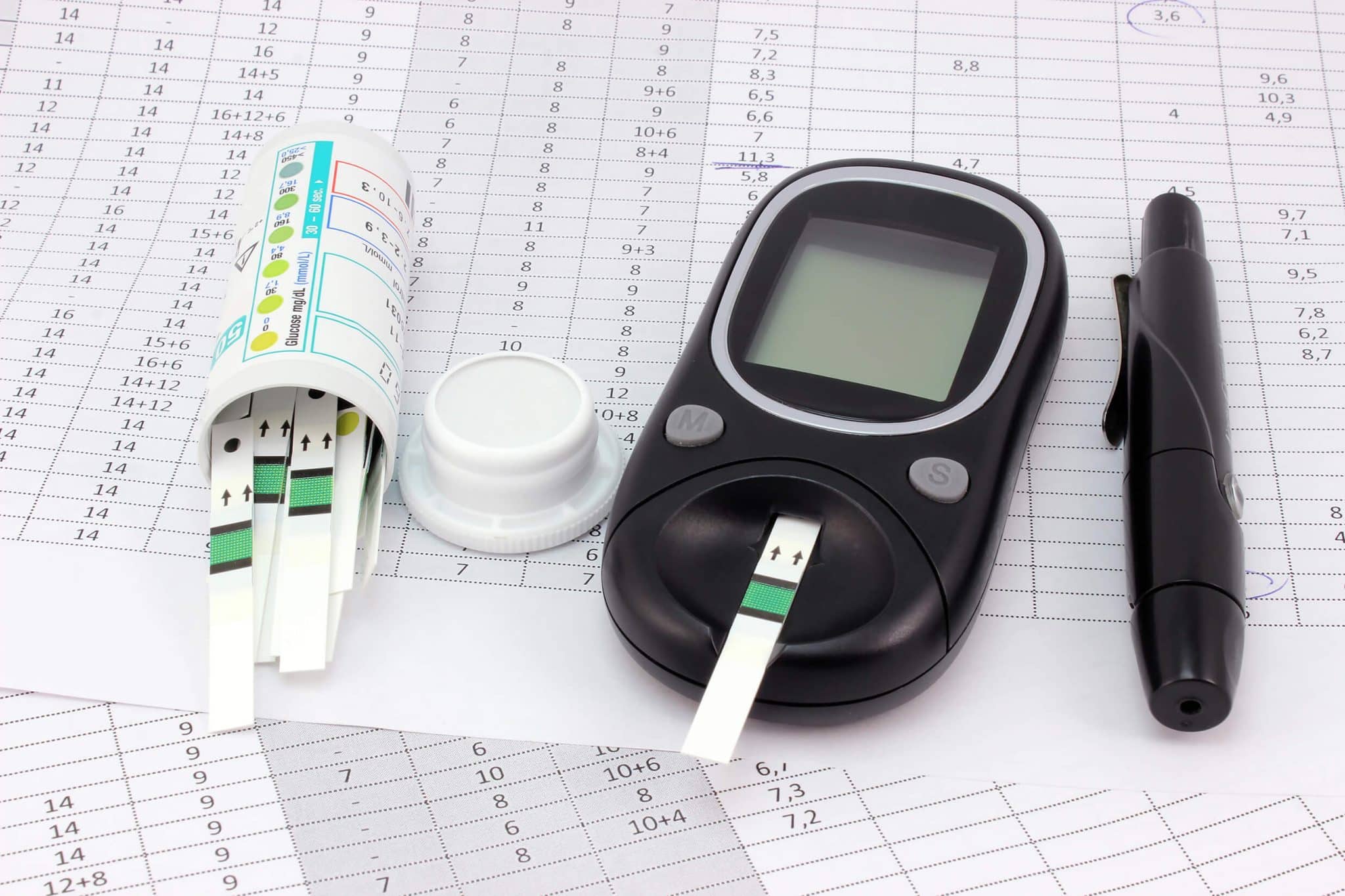
What Determines the Value of Diabetic Test Strips?
Posted on June 03, 2026 at 10AM
What Determines the Value of Diabetic Test Strips?
People who sell diabetic test strips for the first time are often surprised by two things: how easy the process is, and how much the payout can vary from one shipment to the next. Same brand, different result. Or two sellers with the same brand, and one gets noticeably more per box than the other.
This isn’t arbitrary. Buyers like More Cash for Test Strips use a consistent set of criteria to determine the value of any given box of strips. Once you understand those criteria, you can make smarter decisions: which boxes to sell now, which to prioritize, and how to handle your supplies so you get the most for them.
Here’s exactly what goes into the number.
Brand and Model: Not All Strips Are Equal in the Market
The single biggest driver of payout is the brand and model of the strips. This comes down to secondary market demand, which doesn’t always mirror retail pricing. A strip that costs more at the pharmacy isn’t necessarily worth more when you sell it; what matters is how many buyers in the secondary market need that particular strip, and how readily available the supply is.
High-demand brands include OneTouch Ultra, OneTouch Verio, Freestyle Lite, Accu-Chek Aviva Plus, Accu-Chek Smartview, and the Bayer Contour/Contour Next family. These are widely prescribed, have large existing user bases, and move steadily in the secondary market. You can see current payouts for each specific model on the price list.
Lower-demand or discontinued models pay less or may not be purchased at all. If a meter has been discontinued by the manufacturer, replacement strips eventually stop being manufactured, which affects the buyer’s ability to resell them. A brand that once commanded strong prices can shift significantly if the manufacturer discontinues the product line or if clinical prescribing patterns move away from it.
The practical takeaway: if you have multiple brands in your cabinet, check the price list before assuming everything is equivalent. The difference between a high-demand and a low-demand brand can be substantial per box.
Expiration Date: The Single Most Controllable Factor
Of all the variables that affect what your strips are worth, expiration is the one most entirely within your control, and the one most people underestimate.
Here’s why expiration matters to a buyer: they’re purchasing strips to resell, which means they need enough remaining shelf life to move the product before it becomes worthless. A box expiring in 4 months can’t be resold; a box expiring in 14 months can be handled at a normal pace without pressure.
More Cash for Test Strips uses a three-tier structure:
10 months or more remaining: full posted price. This is the sweet spot where buyers can take the inventory at their normal pace.
7 to 9 months remaining: approximately 50% of the current posted price. The box is still sellable, but the compressed timeline increases the buyer’s risk and reduces flexibility.
Under 6 months remaining: not accepted. At this point, there isn’t enough runway to move the product reliably before expiration.
What this means in practice: if you have a box with 10 months left today and you wait three months before shipping, you’ve just moved from the full-price tier to the 50% tier. The same box, the same brand, a very different payout. This is why timing your sale correctly matters more than most people realize.
If you know you’re not going to use a supply, the right time to sell is now, not when you get around to it. The expiration date isn’t waiting.
Packaging Condition: Sealed Means Sealed
Test strips must be factory sealed to have any secondary market value. This requirement isn’t about appearances; it’s about integrity. Once a box is opened, there’s no way for a buyer to verify that the strips haven’t been exposed to humidity, contamination, or tampering. The FDA notes that improper storage can compromise blood glucose meter accuracy, which is exactly the concern a buyer has to protect end users against.
What disqualifies a box: broken or lifted seals, torn or missing shrink wrap, damaged outer packaging, water damage, crushed corners that suggest the strips inside may be compromised, or missing lot numbers and expiration dates.
What doesn’t disqualify a box: your name printed on a pharmacy label. You can cover that with a marker or tape. The buyer will remove it on their end. Your personal information on the label is not a condition issue.
The reason buyers like More Cash for Test Strips are explicit about this, and why our post on why sealed boxes matter goes into more depth, is that the secondary market’s credibility depends on buyers only moving product they can stand behind. Strips that might be compromised don’t get resold; they get discarded.
Box Count and Configuration: 50-Count vs. 100-Count
Many strips come in both 50-count and 100-count configurations, and they don’t always pay out at a simple 2x ratio. Buyers price them based on what resells efficiently in the secondary market, and larger boxes sometimes carry a per-strip premium while other configurations don’t.
The “NFR” (Not For Retail) designation on some boxes is worth understanding. These boxes were originally distributed as samples or through non-retail channels; they’re the same strips in a different package. NFR boxes are purchased at a different rate than retail boxes of the same strip, because secondary-market demand and retail equivalency differ.
When checking your supplies against the price list, match the exact model number and box configuration, not just the brand name. “Bayer Contour 50-count retail” and “Bayer Contour Next NFR 50-count” are different line items with different payouts.
Quantity: Why the Minimum Order Exists
More Cash for Test Strips has a $75 minimum payout requirement. This isn’t a margin play; it’s a logistics reality. Priority shipping costs money, and paying to ship a $30 lot means the payout rates for everyone would have to be lower to cover that overhead. By maintaining a minimum, the company can keep per-box rates competitive for everyone who meets it.
If your current inventory comes in under the minimum, the right move is to wait until you accumulate more rather than shipping a small lot. You’ll get a check either way, but a sub-minimum shipment may not cover its own freight cost, which ultimately comes out of payout rates across the board.
If you’re a regular seller or have a bulk supply, a clinic, pharmacy, or diabetic wholesaler with ongoing inventory, More Cash for Test Strips is explicitly interested in higher-volume relationships. That’s a separate conversation worth having directly.
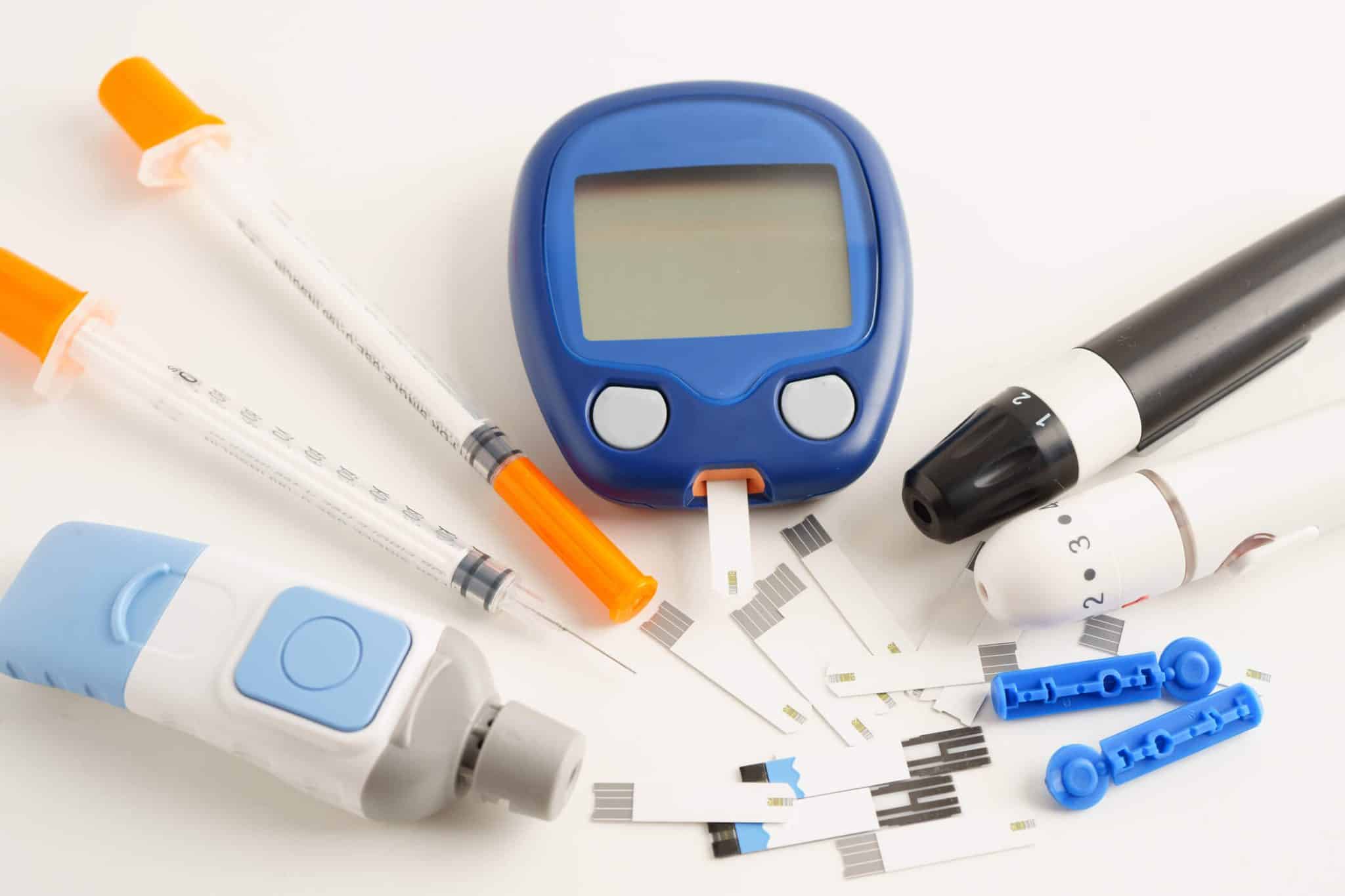
Storage Before Shipping: How You Handle Supplies Affects Their Condition
Even sealed boxes can be degraded by poor storage. Test strips are sensitive to heat and humidity. Prolonged exposure to temperatures above about 86°F (30°C) or high moisture environments can compromise the reagent chemistry inside a sealed box, which a buyer’s inspection may catch.
The practical rules: store strips at room temperature, away from direct sunlight, in a dry location. Don’t store them in a car, a bathroom cabinet near a shower, or an outdoor storage area that gets hot. If your supplies have been in conditions like those, they may still pass inspection, but it’s a risk worth knowing about.
When packing for shipment, use a sturdy box and enough padding so the boxes don’t rattle or shift, but don’t wrap so tightly that the packaging gets crushed. Crushed boxes can look like tampered boxes, which creates inspection issues even when the strips inside are fine. Our post on how to store diabetic test strips before selling covers this in more detail.
Government-Program Supplies: A Hard Disqualifier
Supplies originally purchased through Medicare, Medicaid, or any other government program cannot be sold in the secondary market. This isn’t a pricing issue; it’s a legal one. Reselling government-funded medical supplies is considered fraud against those programs and is explicitly prohibited.
If you’re unsure whether a supply was government-funded, think about how you obtained it. If you bought it out-of-pocket at a pharmacy or received it through private insurance, it’s eligible. If Medicare or Medicaid paid for it, it’s not. When in doubt, the safest answer is not to sell those specific supplies.
Putting It Together: What a High-Value Shipment Looks Like
A shipment that maximizes payout has all of these characteristics: a high-demand brand in the correct model configuration, boxes with 10 or more months until expiration, factory-sealed packaging in undamaged condition, stored properly before shipping, and a total payout value above the $75 minimum.
A shipment that underperforms has one or more of these: a lower-demand brand, expiration dates in the 7–9 month range, any packaging damage, or a total payout value that barely clears the minimum.
The good news is that most of these are knowable before you ship. The payout calculator lets you enter your specific brands, models, and quantities to get an instant quote. Check it before you pack anything; you may find that a small timing adjustment or a different combination of boxes changes your payout meaningfully.
Frequently Asked Questions
Do strips with more time until expiration always pay more?
Yes, up to a point. The key threshold is 10 months: at 10 months or more, you receive the full posted price. Between 7 and 9 months, payout drops to roughly 50%. Under 6 months, strips are not accepted. There’s no additional premium for strips with, say, 24 months left versus 14 months left; both are priced at full price. The cutoff is what matters.
Why does the same brand pay differently for different box counts?
The 50-count and 100-count versions of the same strip are priced separately based on secondary market demand for each configuration. NFR (Not For Retail) boxes are also priced differently from standard retail boxes. Always match your specific box to the exact line item on the price list rather than estimating from the brand name alone.
My strips have been in a hot garage. Will they still be accepted?
Possibly, but there’s risk. Heat can affect the integrity of reagent chemistry even in sealed boxes. If the boxes look fine externally, they may pass inspection; if there are visible signs of heat damage (warped packaging, discoloration), they likely won’t. When in doubt, reach out before shipping.
Can I sell a partial box?
No. Partial or open boxes are not accepted. Only factory-sealed, unopened boxes qualify for purchase.
Does it matter if the pharmacy label has my name on it?
No. A pharmacy label with your name doesn’t disqualify the box. Cover it with a marker or piece of tape if you prefer; the buyer will remove it on their end in any case.
What if I have multiple brands with different expiration dates?
Price each one separately using the payout calculator, then decide what to ship and when. It’s often worth shipping high-value boxes with long expiration dates promptly, while a box with only 8 months remaining may already be in the reduced-payout range. Don’t let good strips sit while you wait to ship a borderline batch.
Ready to See What Your Strips Are Worth?
If you have sealed, unexpired diabetic supplies you no longer need, there’s no reason to let them expire in a cabinet. The process of converting them to cash takes a few minutes of your time and ships for free.
Start with the price list and payout calculatorto see what your supplies are worth, then request a free shipping label. More Cash for Test Strips is a BBB A+ accredited, family-run business based in Carson, CA, with a 4.9 Google rating across 263+ reviews. One of the most trusted names in this space for a reason.