
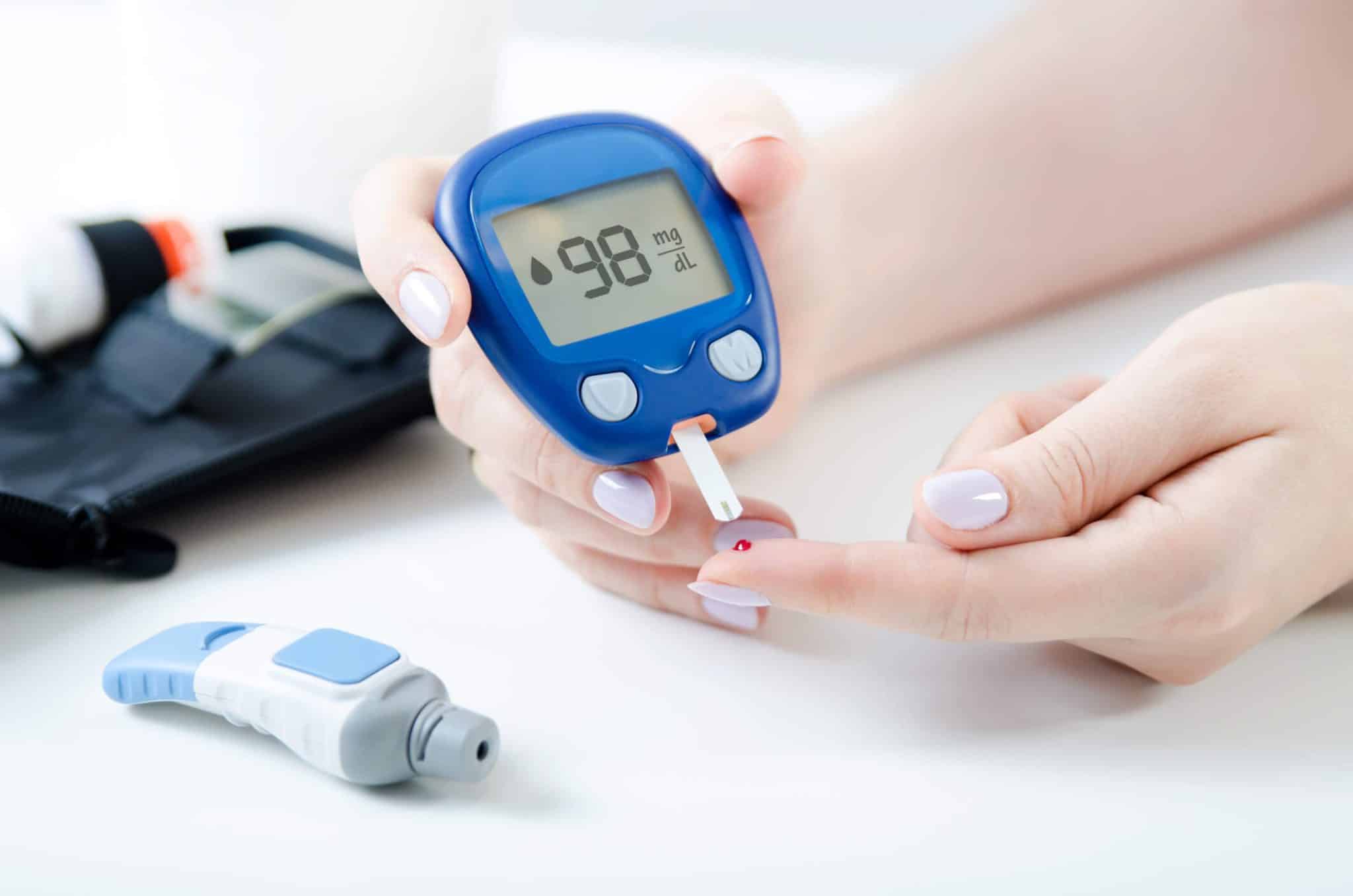
What Can Cause Diabetic Test Strips to Be Rejected by a Buyer?
Posted on September 15, 2026 at 07AM
What Can Cause Diabetic Test Strips to Be Rejected by a Buyer?
A rejected submission is one of the more frustrating outcomes in the test strip selling process, particularly when the seller did not realize anything was wrong until the package came back or the payment was less than expected. The causes of rejection are almost always preventable, and they cluster around a small number of specific issues that are easy to check in advance if you know what to look for.
This post covers every meaningful reason a diabetic test strip submission gets rejected or discounted, organized by how often each cause actually occurs rather than in some arbitrary order. Read it before you pack, and most of these problems will not apply to you.
Why Rejection Happens More Often Than It Should
Most rejections are not the result of fraud or misrepresentation. They are the result of sellers not knowing the specific criteria buyers apply, or assuming that criteria that do not matter to them, such as whether a pharmacy label is on the box, are the things that matter most. Meanwhile the things that actually cause rejection, specifically the expiration window and the seal condition, get checked quickly and carelessly because they seem obvious.
The pattern is consistent: sellers inspect the box for damage, note that it is sealed, glance at the expiration date, and ship. What they don’t always catch is that the expiration date puts the box in a discounted tier rather than the full-price tier, or that what looks like a sealed box has actually been opened and reclosed. Both situations can feel like rejection to the seller, even when the buyer applies the criteria correctly.
Knowing the criteria precisely, not approximately, is what prevents this.
Cause 1: The Box Has Been Opened
This is the single most common cause of outright rejection, and it is also the most absolute: an opened box cannot be accepted under any circumstances, regardless of how many strips remain inside, how recently it was opened, or how carefully it has been stored since opening.
The reason is not arbitrary policy. Once a test strip box is opened, there is no reliable way for a buyer to verify that the strips inside have not been exposed to humidity, temperature extremes, or physical handling that would compromise their accuracy. The box itself guarantees integrity. When it is broken, that guarantee is gone.
What counts as “opened” for this purpose: the original manufacturer’s seal, which may be a cellophane wrap, a foil inner seal, or a perforated strip, must be fully intact. A pharmacy label affixed over the seal does not constitute opening. Removing that label does. A box that was opened to count remaining strips and then reclosed is an opened box. A box that appears sealed from the outside but has a broken inner seal is an opened box.
Check every box individually. Do not assume that because a box was never used, the seal is necessarily intact.
Cause 2: The Expiration Date Falls Outside the Accepted Window
Expiration date is the second most common cause of rejection or discount, and unlike the seal issue, it operates on a sliding scale rather than a binary pass-fail. At More Cash For Test Strips, the expiration structure works as follows:
- 10 months or more before expiration: full listed price
- 7 to 9 months before expiration: 50 percent of the listed price
- 6 months or fewer before expiration: not accepted
The most common version of this problem is not sending expired strips, it is sending strips that are within the accepted window but in the discounted tier without realizing it. A seller who checks “not expired” and ships without calculating the specific number of months remaining may receive 50 percent of the expected payout and feel shortchanged, when the buyer applied their published criteria correctly.
The fix is simple: count the months between today and the expiration date on every box before packing. Boxes at 10 months or more are full price. Boxes at 7 to 9 months are half price. Boxes at 6 months or fewer should be set aside.
Cause 3: The Brand or Model Is Not on the Accepted List
Not every brand of test strip is in demand, and demand changes over time as the market for specific meters shifts. A strip that was in high demand two years ago may not be on the current accepted list, and strips from less common or regional brands may never have been accepted by any mainstream buyer.
The brands and models currently purchased by More Cash For Test Strips are listed on the price list. If your strips are not on that list, we will not accept them, and sending them will result in a return at your expense or a zero payout for those specific boxes.
Check the price list before packing, not after. If you have a brand or model that is not listed and you are not sure whether it qualifies, call 310-892-2808 during business hours before shipping. It is possible that the item qualifies under a category not currently visible on the list.
Cause 4: The Strips Were Paid for by Medicare or Medicaid
Diabetic supplies that were originally paid for by Medicare, Medicaid, or Medi-Cal cannot legally be resold under federal law. This is not a buyer preference or a policy choice: it is a legal requirement that applies to every buyer in this market, and misrepresenting how supplies were paid for when submitting them for sale carries legal risk for the seller.
If your strips were provided through a Medicare-covered diabetes supply program or through a Medicaid-funded pharmacy benefit, they are not eligible for sale to a buyback company regardless of their condition. If you are unsure whether your insurance coverage is private or federal, check your insurance card or the pharmacy receipt: Medicare and Medicaid are clearly labeled on both.
Strips purchased out of pocket or through private insurance are eligible for sale with no restrictions related to payment source.
Cause 5: The Expiration Date or Lot Number Is Illegible
A box where the expiration date or lot number cannot be read cannot be verified and will be rejected. The most common causes of illegibility are: a torn panel that removed the printed date, a pharmacy label placed directly over the date rather than elsewhere on the box, ink that has smudged or rubbed off, and physical damage to the box surface.
Check every box for legibility before packing. If a date is difficult to read under normal lighting, it will be difficult for the buyer’s verification team to read as well. Boxes where the date is partially obscured by a label should have the label repositioned or removed carefully before shipping if it covers the date. Do not ship a box where the expiration date is not fully readable.
Cause 6: Physical Damage That Compromises the Box
Boxes with significant physical damage, crushed corners, torn panels, missing sections, or water damage may be rejected even if the strips inside are technically usable. The standard applied is whether the box, as received, would be acceptable for resale: would someone who received this box be confident that the contents are uncompromised?
Minor shelf wear, light scuffing, and small label residue from a removed sticker do not typically cause rejection. A box that is significantly deformed, has had structural panels torn away, or shows evidence of water exposure or moisture damage will not pass inspection.
Pack strips with adequate cushioning to prevent transit damage. A box that arrives crushed because it was not adequately padded in the shipping box is the seller’s packaging failure, not a carrier failure, and is not grounds for a claim.
Cause 7: The Submission Falls Below the Order Minimum
Submissions with a total value below the $75 minimum will not be processed. This is not technically a rejection of the strips themselves, the individual boxes may be perfectly qualified, but the submission as a whole does not meet the threshold required to make the transaction economically viable.
Calculate your submission’s approximate value using the price list before shipping. If you fall short of the minimum, hold the strips until you have enough additional qualifying supplies to cross the threshold. Including other accepted items, Dexcom G6 sensors, Omnipod pods, Medtronic infusion sets, Humulin insulin, or qualifying lancets, can bring a borderline submission over the minimum.
A Pre-Shipment Checklist
Before sealing the shipping box, run through this list for every test strip box in the submission:
- Factory seal confirmed intact, not just outer appearance
- Expiration date counted in months, not just confirmed as “not expired”
- Brand and model confirmed on the current price list
- Supplies confirmed as purchased out of pocket or through private insurance, not Medicare or Medicaid
- Expiration date and lot number both legible on the box
- No significant physical damage to any box
- Total submission value confirmed above the $75 minimum
For a full walkthrough of what qualifies and how to prepare your submission, see our guide on how to check if your diabetic test strips qualify for sale and our post on how to package diabetic test strips for shipping.
Questions before you ship? Call 310-892-2808 Monday through Friday, 10:30 am to 5:30 pm Pacific. More Cash For Test Strips holds a 4.9-star Google rating across 263 reviews, a 5-star Trustpilot rating, and an A+ BBB rating: the process works when submissions are prepared correctly, and we want yours to go smoothly.
Frequently Asked Questions
Can I sell test strips if the pharmacy label has my name on it?
Yes. A pharmacy label with your name on it does not disqualify the strips. You can leave the label as-is or cover your personal information with a marker before shipping. More Cash For Test Strips removes and discards pharmacy labels upon receipt to protect your information. The label doesn’t determine eligibility: the seal, expiration date, brand, and payment source do.
What if I accidentally sent an opened box?
Opened boxes are returned or discarded depending on the buyer’s policy, and will not be paid for. If you are not sure whether a specific box is sealed, hold it out of the submission rather than including it. A submission that includes opened boxes mixed with qualified closed boxes typically results in the opened boxes being excluded and the remainder processed at the applicable rate.
Can I send strips with 8 months left on them?
Yes, but at 50 percent of the listed price rather than full price. Strips with 7 to 9 months of shelf life remaining are accepted but discounted. Strips with 10 or more months remaining pay full price. We do not accept strips with 6 months or fewer. Count the months precisely before packing rather than estimating.
What happens if my submission is below the $75 minimum?
Submissions below the minimum are not processed. Hold the strips until you have additional qualifying supplies that bring the total above the threshold. You can combine different accepted product types, test strips, CGM sensors, insulin pump supplies, insulin, and lancets, in a single submission to reach the minimum faster.
Will my strips be rejected if the box is a little dented?
Minor physical wear, small dents, and light scuffing do not typically cause rejection. Significant structural damage, crushed panels, missing sections, or water damage does. The practical standard is whether the box, as received, would be acceptable to someone purchasing it: if the damage is cosmetic and the seal is intact, it will generally pass. If the damage is structural and raises questions about whether the contents are compromised, it will not.